The Benefits of Whole-House Fans for Efficient Home Cooling
Stuffy rooms. Sticky nights. Sky-high utility bills. Homeowners and businesses searching for better, budget-friendly comfort know the struggle. At Josh's Heating & Cooling, we see it every summer—folks cranking the AC and still not feeling cool enough.
If you’re looking for a breath of fresh air (literally), whole-house fans could be the simple, powerful solution you’ve never considered. Let’s break down how these fans work, their benefits, and whether they’re right for your space.
How Whole-House Fans Work
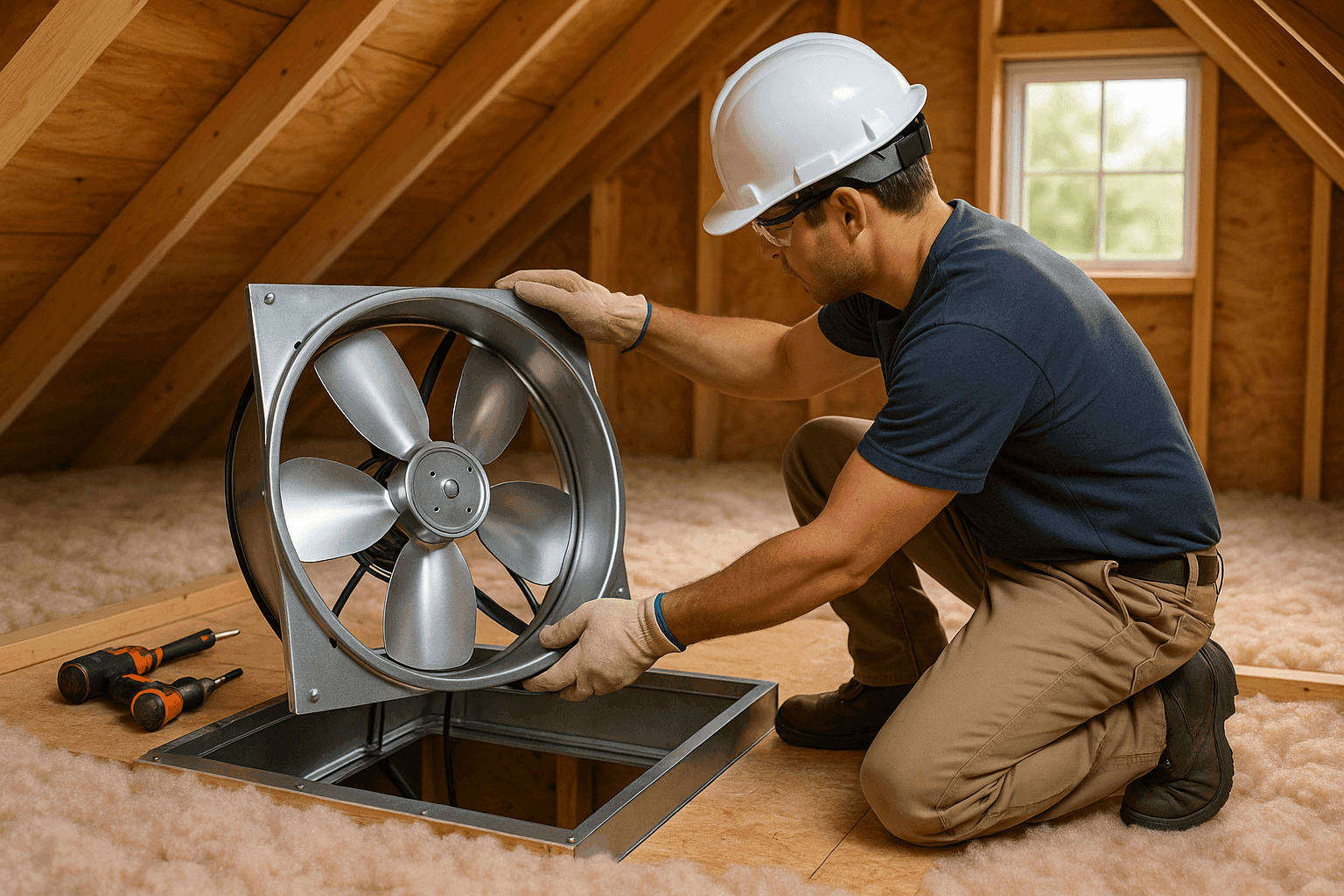
Imagine a giant set of lungs for your building. At dusk or dawn, when outside air is cooler, you flip a switch. The fan in your attic roars to life, sucking warm, stale air out and drawing fresh, crisp air in through open windows.
Here’s the step-by-step:
- The whole-house fan is installed in the ceiling, usually in a central hallway.
- When turned on, it pulls air from your living spaces up into the attic.
- This air is then vented outside through attic vents, while cooler air rushes in through open windows and doors.
The result? A quick temperature drop throughout the entire building—often in minutes. It’s like a gentle breeze sweeping away the heat.
Benefits for Homeowners
Whole-house fans aren’t just a clever gadget. They offer real, measurable perks, especially in homes and businesses located in regions with mild to warm evenings.
- Lower Cooling Costs: Whole-house fans use a fraction of the electricity that central air conditioners do. According to ENERGY STAR, they can reduce cooling energy use by up to 50% in some climates.
- Quick Comfort: The right fan can clear out hot air in 10 to 20 minutes. You’ll feel the difference fast.
- Cleaner Air: By circulating fresh outdoor air, these fans help flush out indoor contaminants, smoke, and odors.
- Quiet Operation: Modern models are quieter than ever—some as gentle as a whisper.
- Eco-Friendly: Reduce your carbon footprint and help your local grid by using less power, especially during summer peaks.
- Eligible for Rebates: Many utility providers offer rebates for ENERGY STAR-certified installations. (Check your local utility website for details.)
🏡 Whether you’re cooling a vintage bungalow or a busy office, a whole-house fan is a smart, forward-thinking upgrade.
Installation Best Practices
Proper installation is the backbone of performance and safety. Here’s what matters most:
- Sizing: One size doesn’t fit all. Choose a fan that matches your home’s square footage and ceiling height for balanced airflow.
- Attic Venting: Ensure your attic has enough vent space—at least as much as the fan’s output rating—to prevent back pressure or moisture issues.
- Sealing: Professional sealing around the fan keeps indoor air from leaking into the attic in winter, boosting energy savings year-round.
- Electrical Safety: Always install according to the National Electrical Code (NEC) and local building codes. A licensed, certified installer ensures compliance and safety.
- ENERGY STAR Certification: Choose ENERGY STAR-certified models for optimal efficiency and eligibility for rebates.
Tip: If you’re searching for “HVAC Installation near you,” look for contractors with NATE (North American Technician Excellence) or EPA Section 608 certification.
Energy Savings Data
Numbers matter. Here’s how whole-house fans stack up:
- Typical Wattage: Most whole-house fans use 200–700 watts, compared to 2000–5000 watts for a central AC.
- Energy Savings: The U.S. Department of Energy states that in suitable climates, homeowners can save up to 50–90% on cooling costs by using a whole-house fan as the primary cooling method.
- Return on Investment: With installation costs often lower than a new AC system, payback can be as fast as 1–3 summers, especially with utility rebates.
📉 Real-world example: A home in a mild climate using a whole-house fan for evening cooling, and AC only on the hottest days, can see hundreds of dollars in annual savings.
Is a Whole-House Fan Right for You?
Every building is different, so ask yourself:
- Do you live in a region with cool nights or less humid evenings? Whole-house fans work best where outdoor air can cool your home after sunset.
- Want to extend the life of your AC system? Use the fan to give your emergency hvac equipment a break.
- Are you sensitive to indoor air quality? Fans help freshen air and reduce indoor pollutants.
- Is your attic properly vented and insulated? This is key for safe, efficient operation.
- Do you need quick, affordable relief during power surges or brownouts? Fans use less power, easing strain on your local grid.
🤔 If you answered yes to most of these, you’re a strong candidate for whole-house fan installation.
Practical Tips for Owners
- Open windows in multiple rooms before turning on the fan.
- Run the fan during the coolest part of the day—usually mornings or evenings.
- Schedule annual HVAC Maintenance to keep your system (and fan) running smoothly.
- Consider pairing with programmable thermostats for even smarter comfort.
- Clean attic vents and check for obstructions regularly.
Citing Authoritative Sources
- ENERGY STAR: For certified products and rebate info.
- U.S. Department of Energy: Guidance on installation and safety.
- National Electrical Code (NEC): For proper wiring and installation.
When in doubt, always rely on a certified installer to meet code and warranty requirements.
Local and Seasonal Effectiveness
Whole-house fans shine in regions where temperatures drop at night—even after a hot day. They’re ideal in spring, summer, and early fall in most areas. In humid or tropical climates, they work best as a supplement to AC, not a replacement.
For homes and businesses with tight energy budgets, they stretch every dollar. And during emergencies or brownouts, a fan can take pressure off your emergency hvac system, keeping everyone safer and more comfortable.
Ready for Cleaner, Cooler Air?
A whole-house fan isn’t just an upgrade—it’s a lifestyle improvement. If you’re ready for fresh air, lower bills, and a smarter approach to home comfort, we’re here for you.
Call Josh's Heating & Cooling now — or reach us anytime at 877-611-0277 .