Ultimate Guide to Indoor Air Quality: Solutions for Every Home
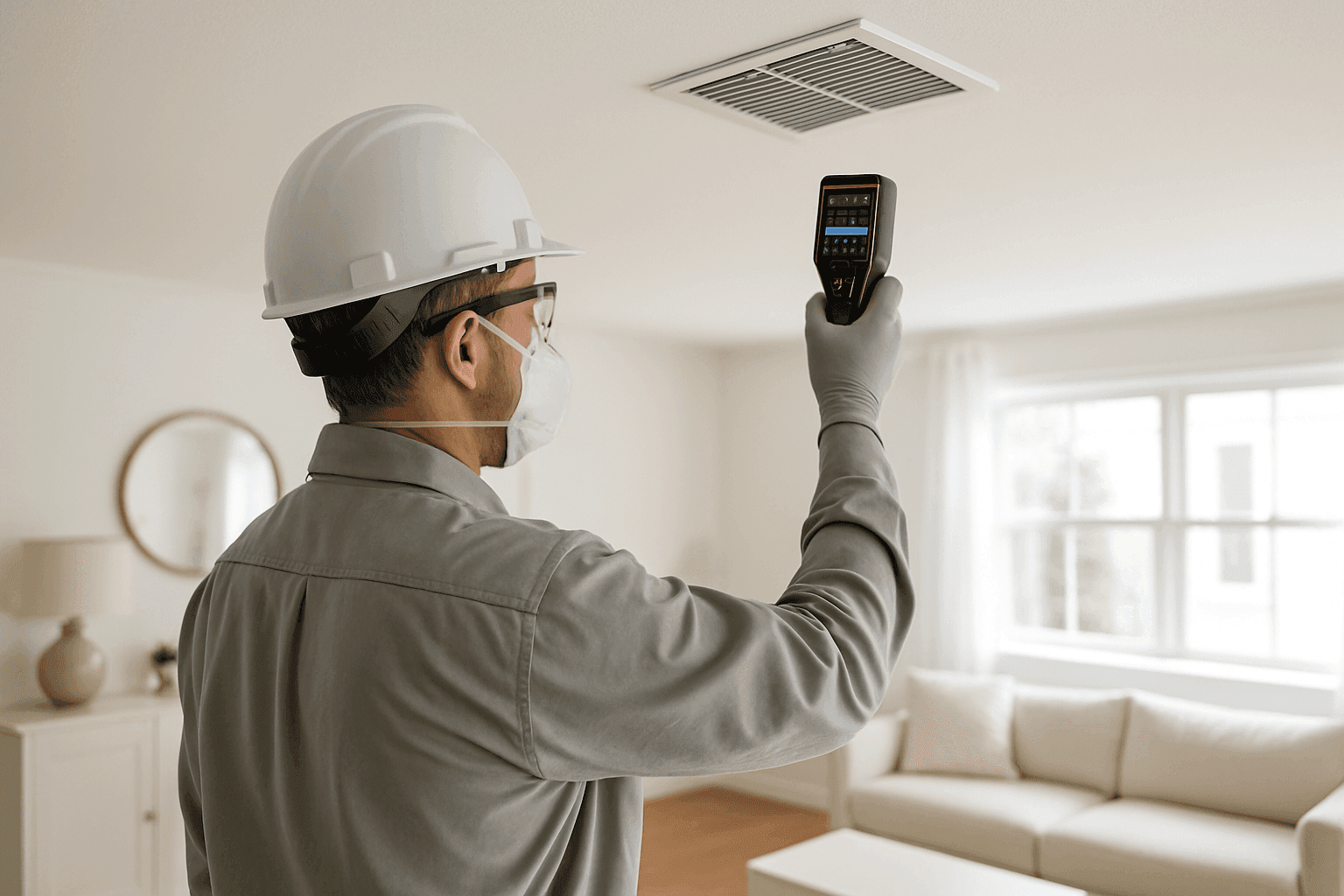
Do you ever pause and wonder what’s floating in the air you breathe at home? Most of us don’t—but we should. Hidden in the air are tiny hitchhikers: dust, pollen, mold spores, and sometimes even fumes. They ride the same currents that keep us cool in summer and warm in winter.
At Josh’s Heating & Cooling, we’ve seen what poor indoor air quality (IAQ) can do. It’s not just about comfort; it’s about health and productivity—for families, teams, and anyone who steps inside. Our certified IAQ professionals have tackled emergency hvac calls and routine checks alike, giving us a front-row seat to both quick fixes and long-term solutions.
Why Indoor Air Quality Matters 🏠
The air inside your home or business is more than just oxygen. According to the U.S. Environmental Protection Agency (EPA), indoor air can carry two to five times more pollutants than outdoor air. Surprising? Think of your house as a sealed jar: everything that enters, from pet dander to cleaning sprays, gets trapped.
Poor IAQ can cause:
- Headaches, fatigue, and dizziness
- Aggravated allergies and asthma
- Coughing or sore throat
- Trouble concentrating
The CDC warns that long-term exposure to some pollutants can even contribute to heart disease and respiratory illness. This isn’t just a big-city problem, either. In our region, seasonal allergens like ragweed, wildfire smoke, or agricultural dust can sneak indoors and linger for days.
Common Pollutants Lurking Indoors
So what’s in the air? Here are the most common offenders:
- Particulate Matter: Tiny dust, pollen, and pet dander that can get deep into your lungs.
- Mold and Mildew: Especially common in damp basements or after a humid summer.
- Volatile Organic Compounds (VOCs): Fumes from paints, cleaning products, or even new furniture.
- Carbon Monoxide: A colorless, odorless gas from faulty furnaces, stoves, or generators.
- Radon: A natural radioactive gas that can seep into basements and crawl spaces.
- Biological Pollutants: Bacteria, viruses, and allergens from pets or pests.
Regional note: In our area, spring brings pollen storms and fall means more time indoors with the windows shut. Both create perfect conditions for pollutants to build up.
Testing Your Air: How to Know What You’re Breathing
You can’t fix what you can’t see. That’s why IAQ testing is so important. At Josh’s Heating & Cooling, our certified techs use tools to measure:
- Humidity levels: Too high leads to mold; too low means dry skin and static shocks.
- Particulate count: How much dust and pollen is floating around.
- CO and Radon: For safety, these need to be close to zero.
- VOC readings: To catch any hidden chemical fumes.
DIY test kits are available at hardware stores, but for peace of mind—or if you have health concerns—call a pro. We follow EPA and local code guidelines for every test.
Quick Self-Check List
- Smell anything musty, stale, or chemical?
- See dust buildup around vents or returns?
- Notice family or coworkers sneezing more indoors?
- Observe condensation on windows or damp spots on walls?
If you answered yes, it’s time to take action.
Best IAQ Products for Cleaner Air
Technology has come a long way. Here are proven solutions we recommend:
- HEPA Air Filters: Trap even the smallest particles—great for allergies.
- Air Scrubbers: Use UV light or ions to kill germs and neutralize odors.
- Whole-House Humidifiers & Dehumidifiers: Balance moisture year-round.
- Programmable Thermostats: Let you control temperature and humidity with precision.
- UV Lights Inside HVAC: Zap mold and bacteria before they circulate.
- Smart Detectors: CO, radon, and VOC sensors to keep you safe 24/7.
For homes with frequent allergy or asthma flare-ups, a layered approach often works best—think filter plus scrubber plus humidity control.
HVAC Upgrades for Clean Air
Sometimes, the best fix is an upgrade. Modern HVAC systems don’t just heat and cool; they filter, ventilate, and often purify.
Top Upgrades We Install
- Media Air Cleaners: Thicker than standard filters, these catch much more.
- ERVs and HRVs: Bring in fresh air without losing heat or AC.
- Duct Sealing & Cleaning: Stops dust from recirculating and keeps your system efficient.
- Mini-Splits: Perfect for sunrooms or additions—no ductwork, no problem.
- Ventilation Fans: Crucial for kitchens, baths, and workshops.
If your system is over 10 years old, consider a home energy audit. You’ll spot leaks, drafts, and hidden sources of pollution that new tech can help fix.
DIY vs. Call a Pro
Some things you can tackle yourself. Others need certified hands.
What You Can Do
- Change filters every 1–3 months.
- Run exhaust fans when cooking or showering.
- Open windows on clear, low-pollen days.
- Wipe down registers and vents regularly.
When to Call Josh’s Heating & Cooling
- Unexplained health symptoms
- Smells of gas, burning, or mold
- High energy bills or uneven heating/cooling
- Suspected carbon monoxide or radon
We’re available for emergency hvac calls 24/7—because air quality problems don’t keep office hours.
What Professionals Do On Arrival
When you call us for an IAQ concern, here’s what to expect:
- Inspection: We check your HVAC system, filter, and visible ductwork.
- Air Quality Testing: Using calibrated meters for particles, CO, VOCs, and humidity.
- Source Hunt: We search for leaks, mold, or other hidden problems.
- Recommendations: Simple fixes, upgrades, and maintenance routines.
- Code/Safety Review: We make sure everything meets local safety and EPA standards.
Our team holds certifications for IAQ testing and HVAC Installation near you, and we’re constantly updating our knowledge as codes and technology evolve.
Prevention & Maintenance Tips
The best air is clean air. Here’s how to keep it that way:
- Schedule HVAC maintenance every spring and fall.
- Replace filters regularly (set a phone reminder).
- Fix leaks and insulate attics or crawlspaces.
- Use low-VOC paints and cleaning products.
- Keep humidity between 30–50%.
- Vacuum with a HEPA filter, especially if you have pets.
We recommend a whole-house IAQ check every two years, or sooner if you’ve had construction, water damage, or major allergy issues.
Costs & Time Factors
Improving indoor air quality doesn’t have to break the bank.
- Basic filters: $10–$50, swapped in minutes.
- Professional IAQ testing: Usually takes 1–2 hours.
- Duct cleaning or sealing: A few hours, costs vary with home size.
- Upgrades (humidifiers, air scrubbers): Installation can take half a day.
- Full system replacement: Plan for a day or two, depending on complexity.
Remember: Investing in IAQ keeps your HVAC running longer and reduces emergency hvac calls later.
When It’s an Emergency
Some air problems can’t wait. If you ever:
- Smell gas or burning plastic
- Hear your carbon monoxide alarm
- See water pooling near HVAC units
- Feel sudden, unexplained illness
Evacuate and call for emergency hvac help immediately. According to the CDC, carbon monoxide can be deadly in minutes.
FAQ: Indoor Air Quality
Q: How often should I test my indoor air?
A: Once every two years, or after renovations, water damage, or unexplained health issues.
Q: Are portable air purifiers worth it?
A: They help in single rooms, but whole-home solutions are best for long-term results.
Q: Can I improve IAQ without replacing my HVAC?
A: Yes! Upgrading filters, adding humidity control, and regular maintenance all help.
Q: What’s the best filter for allergies?
A: HEPA or MERV 13+ filters trap most allergens—ask us to check compatibility with your system.
Local and Seasonal Considerations 🌳
Our region sees high pollen in spring, wildfire smoke in late summer, and dry air in winter. Each season brings different IAQ challenges:
- Spring: Pollen control and frequent filter changes
- Summer: Watch for mold and humidity
- Autumn: Dust from harvest or leaf cleanup
- Winter: Dry air—add humidity, monitor for CO
If you live near busy roads or industrial sites, consider extra filtration or an air scrubber for added protection.
Ready to breathe easier—day or night, home or office?
Call Josh's Heating & Cooling now — or reach us anytime at 877-611-0277 .