Radiant Heating: Benefits, Installation, and Maintenance Explained
Feeling the chill seep up from the floor in the middle of a cold snap? Or maybe you’re tired of noisy air vents and uneven heat? Radiant heating can feel like wrapping your whole home or office in a cozy, invisible blanket.
At Josh’s Heating & Cooling, we’ve helped hundreds of families and businesses swap drafty discomfort for steady, silent warmth. If you’re thinking about radiant heating—or just want to know what all the fuss is about—this guide is for you.
How Radiant Heating Works
Radiant heating delivers warmth directly to the people and objects in a room, rather than just blowing hot air around. Imagine stepping onto a sun-warmed stone patio, even if the air feels crisp. That’s radiant heat in action.
There are three main types:
- Hydronic (Water-Based) Systems: Pipes under your floor circulate warm water.
- Electric Systems: Cables or mats heat up when powered.
- Radiators or Wall Panels: Heat radiates from panels installed in walls or ceilings.
When your system runs, it quietly and evenly spreads warmth upward from the floor or out from the walls. No fans. No dust clouds. Just even, gentle heat.
Benefits vs. Forced Air
Why do so many homeowners and business owners in colder climates choose radiant heating over traditional forced air? Here’s the breakdown:
- Even Comfort: No more cold spots or blasts of hot air. Every inch of the room feels cozy.
- Quiet Operation: Forget rattling vents or clanking ducts—radiant heat is silent.
- Improved Air Quality: No blowing dust or allergens around, making it a relief for allergy sufferers.
- Efficient Energy Use: Radiant systems can run at lower temperatures because the heat stays where you need it.
- Zoned Heating: You can control different rooms independently—no more heating empty spaces.
In places with long, harsh winters, radiant heating means warmth that never feels forced or fake. It’s like the difference between a gentle sunrise and a glaring spotlight. 🌞
Installation Process
Curious about what installation involves? Here’s what to expect if you’re considering radiant heating with Josh’s Heating & Cooling:
Assessment
- We start with a home or building evaluation, checking insulation, floor structure, and overall layout.
- Our certified installers (licensed as required by state and local codes) determine the best system for your space.
Preparation
- Old flooring may need removal, especially for hydronic systems.
- Electrical or plumbing work is done to code—our techs follow all National Electrical Code (NEC) and local safety guidelines.
System Installation
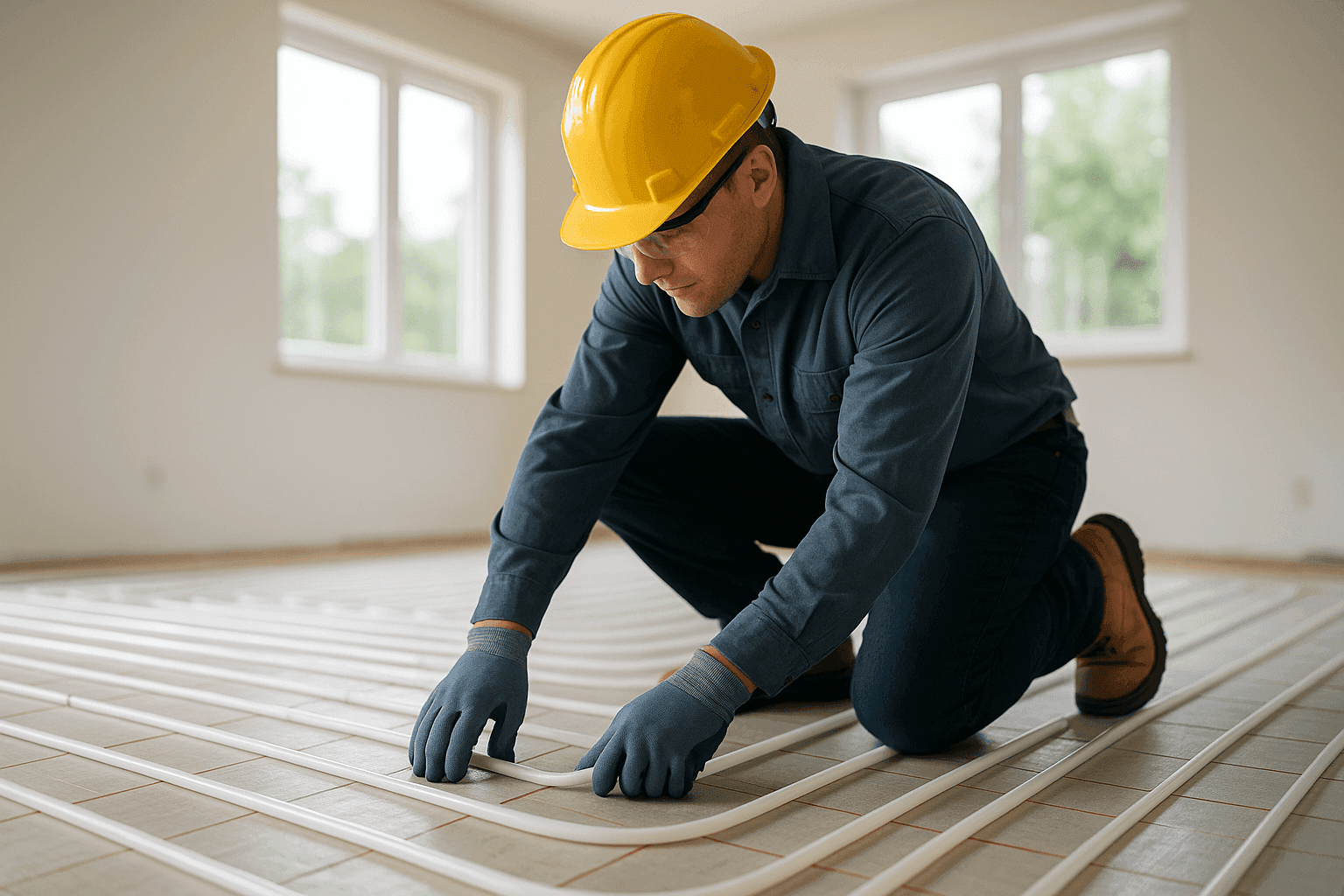
- Hydronic: Flexible tubing is laid out in a looping pattern, then covered with a thermal mass (like concrete or gypsum) and your choice of flooring.
- Electric: Heating mats or cables are installed, perfect for smaller areas or retrofits.
- Boilers, controls, and thermostats are connected and tested.
Final Steps
- We conduct pressure and safety checks.
- System programming ensures your schedule and comfort needs are met.
- We walk you through the controls and provide a clear maintenance guide.
Most single rooms take a couple of days. Whole homes or commercial spaces can take a week or more, depending on size and complexity.
Maintenance Tips
Radiant heating systems are known for their reliability, but a little care goes a long way. Here’s how to keep yours humming:
- Check Boiler or Heat Source Annually: Schedule professional service for hydronic systems, especially before winter.
- Watch Water Pressure: If your system uses water, monitor for pressure drops—this can indicate leaks or air in the lines.
- Inspect Flooring: Look for warping or unusual cold spots. These can signal issues under the surface.
- Test Thermostats: Make sure controls are responding and programmed correctly.
- Flush the System: Hydronic systems may need periodic flushing to remove mineral buildup (per manufacturer or installer recommendations).
For electric systems, check connections and circuit breakers. Always follow manufacturer guidelines and local building codes for safety.
Is Radiant Heating Right for You?
Radiant heating isn’t a one-size-fits-all solution. Here’s how to know if it’s a good fit:
You’ll love radiant heat if:
- You want silent, dust-free warmth.
- You have allergies or respiratory concerns.
- You’re building new or remodeling—easier than retrofitting.
- You live in a cold climate where floors are always chilly.
It may not be ideal if:
- You want rapid temperature changes (radiant is slower but steadier).
- Your home has poor insulation—heat loss can reduce efficiency.
- You’re on a tight budget (upfront costs are higher than forced air, but energy savings add up over time).
Cost Comparison
- Radiant Heating Installation: Higher upfront investment, especially for whole-home or commercial installs.
- Forced Air: Lower installation cost, but often higher operating expenses and more frequent repairs.
- Energy Savings: Radiant systems can cut heating bills by 10–30% in well-insulated homes (U.S. Department of Energy).
In the long run, radiant heating can pay for itself in comfort, efficiency, and fewer maintenance headaches.
Installer Certifications and Why They Matter
Choosing a certified installer isn’t just about paperwork—it’s about safety. At Josh’s Heating & Cooling, our team holds relevant state licenses and follows both ASHRAE and ACCA installation standards. We’re up to date on the latest safety codes and product innovations.
What Clients Say
“Our radiant floors made winter actually enjoyable. Josh’s team was professional and explained everything.” — M. Anderson, Homeowner
“No more dust blowing around our office, and our heating bills dropped noticeably.” — K. Patel, Commercial Client
Practical Tips for Cold Climates
Radiant heating shines brightest when the mercury dips. Here’s why:
- Floors stay toasty so you can ditch the slippers.
- Snow-melt systems can be installed for driveways and entryways.
- Less dry air, so your skin and sinuses stay happier in winter.
Pro tip: Pair radiant heating with programmable thermostats and regular HVAC maintenance for the best performance all season.
Frequently Asked Questions
Can radiant heating be installed in older homes?
Yes, but it may require more prep work, especially for hydronic systems. Electric mats can be a good retrofit option for bathrooms or kitchens.
Does radiant heating work with carpet?
It’s best with tile, stone, or engineered wood. Carpet acts as insulation, which can slow heat transfer, but some systems are compatible with low-pile carpet and proper padding.
Will I need to replace my current boiler?
Not always, but your existing boiler must be compatible and sized correctly. We assess this during the initial evaluation.
How long does a radiant heating system last?
With regular maintenance, hydronic systems can last 30+ years; electric systems often last 20+ years.
Local and Seasonal Considerations
Living in a region where winter seems to camp out for half the year? Radiant heating’s steady warmth is a game-changer. In northern climates, it reduces drafts, fights off icy floors, and keeps indoor air from drying out as much as forced air.
For commercial properties, radiant heating can mean lower energy bills and a more comfortable workspace—no more staff huddling by the vents.
Ready to explore radiant heating or need emergency hvac help? Call Josh's Heating & Cooling now — or reach us anytime at 877-611-0277 .