Preventing HVAC Emergencies: Essential Tips for Homeowners and Businesses
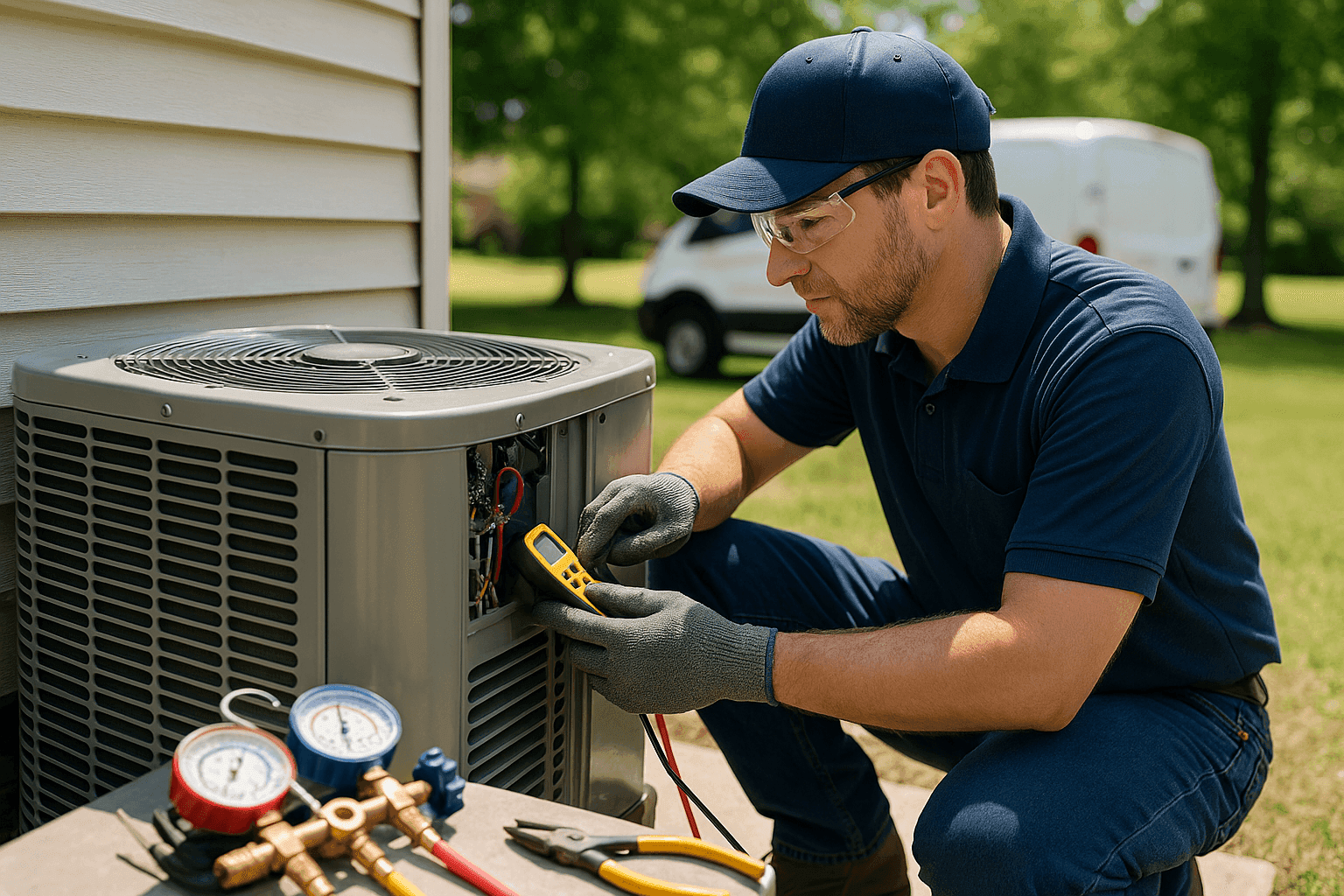
When your heating or cooling suddenly quits, panic can set in fast. The house gets stuffy. The office grows uncomfortably hot or cold. It never happens at a good time—often late at night or during a busy workday.
At Josh’s Heating & Cooling, we know how disruptive emergency HVAC problems can be. That’s why we’re sharing practical steps to help you avoid those sudden breakdowns. With decades of experience handling emergencies 24/7, we’ve seen what works to keep systems running smoothly year-round.
Why Preventing HVAC Emergencies Matters 🏠
A reliable HVAC system is like a safety net for your comfort and your wallet. When it fails, costs pile up quickly—not just for repairs, but for lost productivity, spoiled food, or even health risks. Here’s why prevention is worth your time:
- Cost Savings: Regular care means fewer surprise breakdowns and lower energy bills.
- Safety: Proper heating and cooling prevent dangerous temperature extremes and reduce fire or carbon monoxide risks.
- Comfort: No one wants to sweat through a heatwave or shiver in a cold snap. A healthy HVAC keeps your space livable.
- Peace of Mind: Knowing your system is ready for anything lets you focus on what matters most.
Seasonal Maintenance Best Practices
Think of your HVAC system like a car—it needs regular tune-ups to run well. Each season brings its own challenges. A little attention now saves headaches later.
Spring: AC Prep
- Clear leaves, sticks, and debris from around your outdoor AC unit.
- Check for unusual noises or vibrations when you first turn it on.
- Schedule a professional inspection before temperatures soar. A technician will check refrigerant levels, clean coils, and test electrical connections.
Fall & Winter: Furnace and Heating Checks
- Replace or clean furnace filters before the first cold snap.
- Inspect vents and registers for dust buildup or blockages.
- Test your thermostat. Does it respond quickly? If not, it may need recalibration or replacement.
- Have a professional look for cracked heat exchangers or gas leaks—these can be serious safety hazards.
Year-Round Tips
- Keep vents unblocked by furniture or rugs.
- Listen for odd sounds—rattles, bangs, or grinding noises can signal trouble.
- Watch for unexpected spikes in your energy bill, which can mean your system is working too hard.
Filter Replacement and Indoor Air Quality
Changing your filter is like brushing your teeth—skip it, and problems build up fast. Dirty filters choke airflow, strain motors, and let dust and allergens circulate. Most homes and small businesses should change filters every 1–3 months, but check your owner’s manual for specifics.
- High-efficiency filters can trap more dust but may need changing more often.
- If you have pets, allergies, or recent construction, check your filter monthly.
- Good air quality isn’t just about comfort—it’s about health. The EPA recommends regular filter changes and duct cleaning to reduce indoor air pollutants.
Recognizing Early Warning Signs of HVAC Issues
HVAC systems often whisper before they scream. Catching small problems early can prevent full-blown emergencies. Watch for:
- Weak airflow or uneven temperatures from room to room.
- Strange odors—burning, musty, or chemical smells.
- Water leaks near your furnace, AC, or vents.
- Frequent cycling (turning on and off rapidly).
- Thermostat not matching the actual room temperature.
If you notice any of these, don’t wait. A quick fix now beats an emergency call later.
Emergency Preparedness Tips
Sometimes, even the best-maintained system hits a snag. Be ready with these smart moves:
- Backup Power: Consider a generator to keep essentials running during an outage. Regular generator maintenance keeps it ready for action.
- Thermostat Settings: Don’t crank the temperature way up or down to “speed up” heating or cooling. It won’t work faster and can stress your system.
- Ventilation: Keep windows and doors closed during extreme weather, but make sure exhaust fans and vents are clear. In case of smoke or gas smells, leave immediately and call for help.
- Know Your System: Label circuit breakers and emergency shutoff switches. Teach everyone in your home or business where they are.
When to Call a Professional
DIY is great for changing filters or checking vents. But some jobs are best left to the pros—especially when safety is on the line.
Call Josh’s Heating & Cooling if you notice:
- Persistent electrical issues (tripped breakers, flickering lights).
- Unusual or loud noises from your system.
- Water pooling around equipment.
- No heat or AC, especially during extreme weather.
- Carbon monoxide alarms sounding.
Our trained technicians handle everything from emergency HVAC repairs to complex installations, any time—day or night.
Extending the Life of Your HVAC System
Want your system to last? Here’s how:
- Schedule professional maintenance twice a year—spring and fall are ideal.
- Keep outdoor units clear of debris, plants, and snow.
- Upgrade your thermostat for better energy management.
- Consider duct cleaning and indoor air quality testing every few years.
- Address small repairs promptly to prevent bigger problems.
Understanding Costs and Time Factors
Emergency HVAC repairs can be more expensive than scheduled maintenance. Why? After-hours calls, urgent parts orders, and extra labor add up. Regular checkups are like insurance; they keep surprise bills at bay.
- Simple fixes (like replacing a thermostat) can take under an hour.
- Complex repairs or installations may need several hours or multiple visits.
- Routine maintenance is typically quick—most appointments last 1–2 hours.
Remember: Delaying repairs often leads to higher costs down the road.
When It’s an Emergency
How do you know if your HVAC issue can wait, or if it’s a true emergency?
- It’s an emergency if: There’s no heat during freezing weather, no AC in extreme heat, electrical smells or sparks, or suspected gas leaks.
- Not urgent: Weak airflow, noisy operation, or a thermostat that needs batteries.
When in doubt, it’s safer to call. Your comfort and safety come first.
Frequently Asked Questions
How often should I schedule professional HVAC maintenance?
Twice a year—once in spring for cooling, once in fall for heating. This keeps your system running efficiently and safely.
What’s the most common cause of emergency HVAC calls?
Dirty filters and neglected maintenance top the list. Small problems left unchecked can lead to big breakdowns.
Can I fix my HVAC system myself?
You can handle basic tasks like changing filters or clearing debris. For anything electrical, gas-related, or involving refrigerant, call a professional.
Does regular maintenance really save money?
Yes. Well-maintained systems use less energy, break down less often, and last longer—saving you money over time.
Special Considerations for Homeowners and Businesses
Every space is different. Homes may need extra attention to indoor air quality, especially with kids or pets. Businesses often rely on larger, more complex systems—downtime can mean lost revenue or safety risks.
For both, code compliance matters. The Occupational Safety and Health Administration (OSHA) and the Environmental Protection Agency (EPA) provide guidelines on ventilation and air quality. Following these isn’t just smart—it’s the law.
Whether you’re caring for a family or a business, a proactive approach keeps everyone comfortable and safe.
Call Josh's Heating & Cooling now — or reach us anytime at 877-611-0277 .