Mini-Split Systems: Pros, Cons, and Best Uses
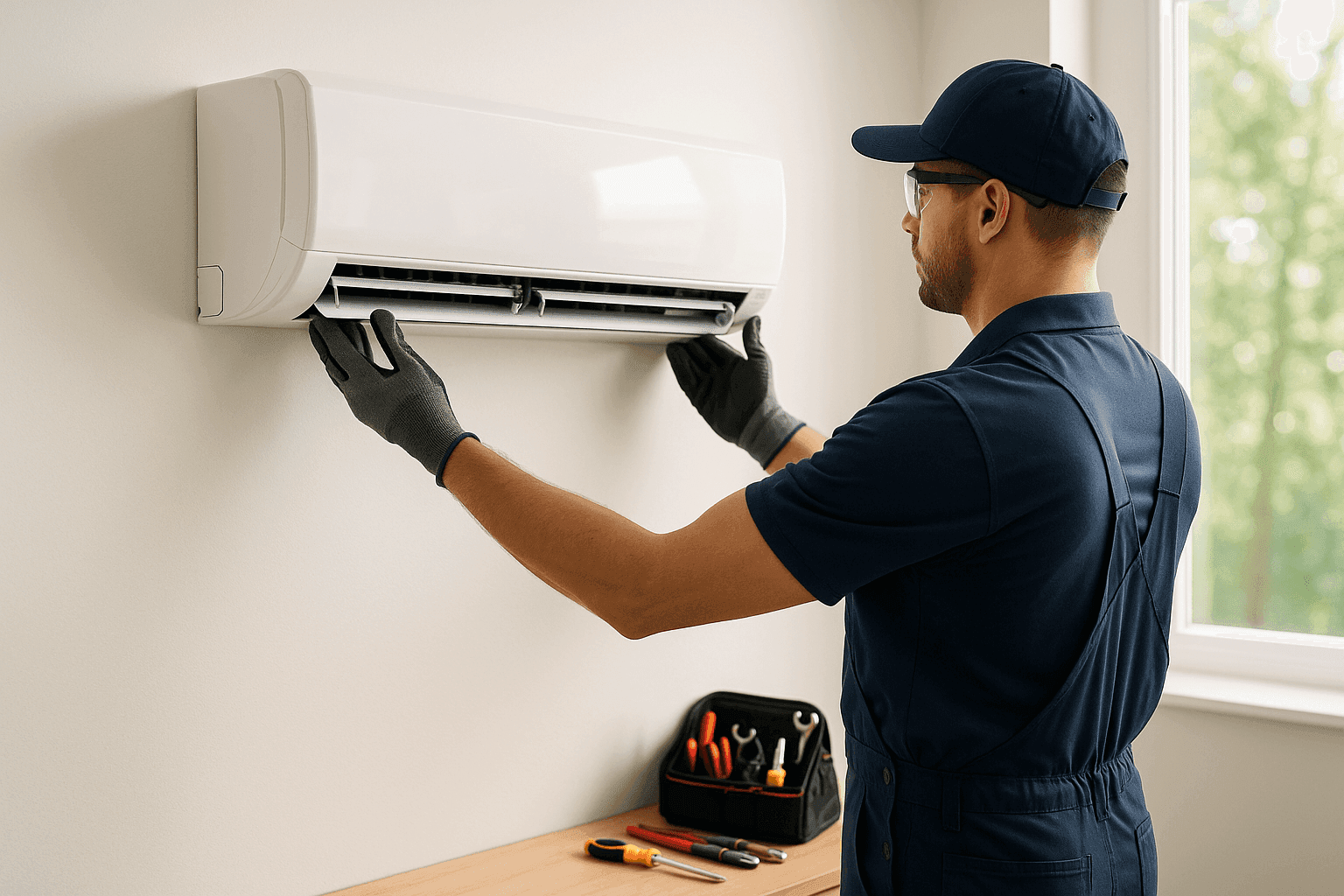
Looking for a better way to keep that extra bedroom, sunroom, or office cool? Maybe your old AC just can’t keep up—or you’re tackling a renovation and don’t want to tear up walls for new ductwork. At Josh’s Heating & Cooling, we install, repair, and maintain all types of HVAC systems, including mini-splits. We know what works, what’s efficient, and what’s worth your money.
Mini-split systems are changing the game for homeowners and businesses alike. Let’s break down how they work, when they make sense, and what you need to know before you decide.
What is a Mini-Split? ❄️
Picture a classic window AC, only smarter, quieter, and made for year-round comfort. Mini-splits are ductless HVAC systems. Each has two main pieces: an outdoor compressor and one or more indoor air handlers. They’re linked by a thin refrigerant line instead of big, bulky ducts.
You get targeted heating or cooling right where you want it. No more fighting over the thermostat. No more cold spots in winter or stuffy rooms in summer.
Key Features
- Ductless Design: No need for existing ducts. Installation is minimally invasive.
- Zoned Comfort: Control temperatures in individual rooms or zones.
- Year-Round Use: Most mini-splits both heat and cool.
- Quiet Operation: No clunky window units or rattling ductwork.
- Remote Control: Most come with a remote or app for easy adjustments.
ENERGY STAR reports that ductless mini-splits can use 30% less energy than traditional forced-air systems. That’s not just good for your wallet—it’s better for the environment, too.
Where Mini-Splits Work Best 🏠
Some homes and businesses are perfect for mini-splits. Others? Not so much. Here’s where these systems really shine:
- Home Additions: Sunrooms, garages, finished basements, or attics added after original construction.
- Older Homes: Especially those without existing ducts or with historic features you want to preserve.
- Zone Cooling: Offices, apartments, or multi-family units where individual comfort matters.
- Spot Cooling/Heating: Server rooms, shops, or spaces with big windows that get too much sun.
- Allergy Concerns: Homes where ductwork can collect dust, mold, or pet dander.
If you’re looking for “HVAC Installation near you” for a tricky spot, mini-splits are often the most practical answer. They work in residential and light commercial spaces—no matter the age or layout.
Install & Maintenance
Installing a mini-split is a job for a certified HVAC technician—period. The process is less invasive than adding central air, but it’s not a DIY project. Our team at Josh’s Heating & Cooling is certified to handle refrigerant safely and follows manufacturer and local code requirements.
Installation Steps
- Sizing: We calculate the right unit size for your room(s)—too big or too small wastes energy.
- Placement: The wall-mounted indoor unit needs clear space for airflow and drainage.
- Mounting: The outdoor compressor sits on a level pad, ideally shaded from direct sun.
- Connecting: Refrigerant lines and electrical wiring run through a small wall opening.
- Testing: We pressure-test connections, vacuum the lines, and check for leaks.
- Commissioning: We set up your remote and walk you through operation.
Routine maintenance matters. Expect to:
- Clean or replace filters monthly during heavy use.
- Have coils and fans cleaned annually by a pro.
- Schedule refrigerant checks and full inspections every year.
According to ENERGY STAR and manufacturer guidelines, regular care keeps your system efficient—and your warranty valid.
Cost & Efficiency 💡
Let’s talk numbers. Installing a mini-split typically costs more upfront than a window unit, but less than a full central system (especially if you need new ducts).
The Breakdown
- Upfront: Most homeowners pay between $3,000–$7,000 per zone (installed). Multi-zone systems cost more.
- Operating Costs: Mini-splits are highly efficient—some hit SEER ratings of 20+.
- Incentives: Many states offer rebates for ENERGY STAR–rated ductless systems.
- Energy Bills: The ability to heat/cool only occupied spaces means lower monthly bills for many.
Your exact costs depend on size, number of zones, placement, and local labor. But the real savings often show up month after month.
Mini-Split vs. Central AC
Here’s the big question: Should you install a mini-split, or stick with central air? The answer depends on your home, your comfort needs, and your budget.
Mini-Split Pros
- No ducts required—perfect for add-ons or ductless homes.
- Zoned control means no energy wasted on empty rooms.
- Quick, non-invasive installation.
- Quiet operation and less dust circulation.
Mini-Split Cons
- Higher upfront cost per room than a single window unit.
- Some people don’t love the look of wall-mounted air handlers.
- Not ideal for whole-home cooling in large, open spaces (unless you install multiple units).
Central AC Pros
- Cools entire home evenly—one thermostat for all.
- Hidden vents—no visible indoor units.
- Often more cost-effective for new builds with ductwork.
Central AC Cons
- Requires ductwork—costly or impossible in some homes.
- Ducts can leak, waste energy, and collect allergens.
- Less control over individual room temperatures.
If you’re weighing options, ask yourself: Where do you need comfort most? How much are you willing to spend upfront? And do you have—or want—ducts running through your home?
Practical Tips for Mini-Split Owners
- Keep the area around indoor and outdoor units clear. Blocked airflow reduces performance.
- Clean filters regularly. Dirty filters strain the system and lower air quality.
- Schedule annual professional maintenance. Catch issues early and keep efficiency high.
- Check for local rebates. ENERGY STAR and state programs can offset your costs.
What Customers Say
“I needed emergency hvac help during a heat wave. Josh’s team installed a mini-split in my sunroom in one day. Now it’s the most comfortable room in the house!” — Linda M.
“We run a small office and always battled over the thermostat. The new ductless system lets us set each zone just right.” — T. Chen
References & Codes
Our technicians follow national and local building codes, EPA Section 608 refrigerant handling requirements, and manufacturer installation guidelines. ENERGY STAR remains our go-to resource for efficiency data and rebate info.
FAQ
Are mini-splits good for year-round use?
Absolutely. Most models heat and cool. Just check the system’s heating performance for your local winter temps.
Do mini-splits dehumidify?
Yes. They remove moisture as they cool, just like central AC. Some have a dedicated “dry” mode for extra humid days.
How long does installation take?
One-zone systems can often be installed in a day. Multi-zone jobs may take two or more, depending on complexity and site conditions.
Are they noisy?
No. Indoor units run quietly—often quieter than a whisper—while outdoor compressors are much less obtrusive than older central units.
Local/Seasonal Considerations 🌦️
Mini-splits shine in homes with unpredictable weather swings or places where ductwork simply isn’t practical. They’re great for older homes that can’t be easily retrofitted, or for additions you want to finish before the next season hits. Interested in “emergency hvac” if your central AC fails? Mini-splits can be up and running fast, offering relief without weeks of construction.
Ready to see if a mini-split system is right for you? Call Josh's Heating & Cooling now — or reach us anytime at 877-611-0277 .