How to Improve Indoor Humidity: Humidifiers & Dehumidifiers Explained
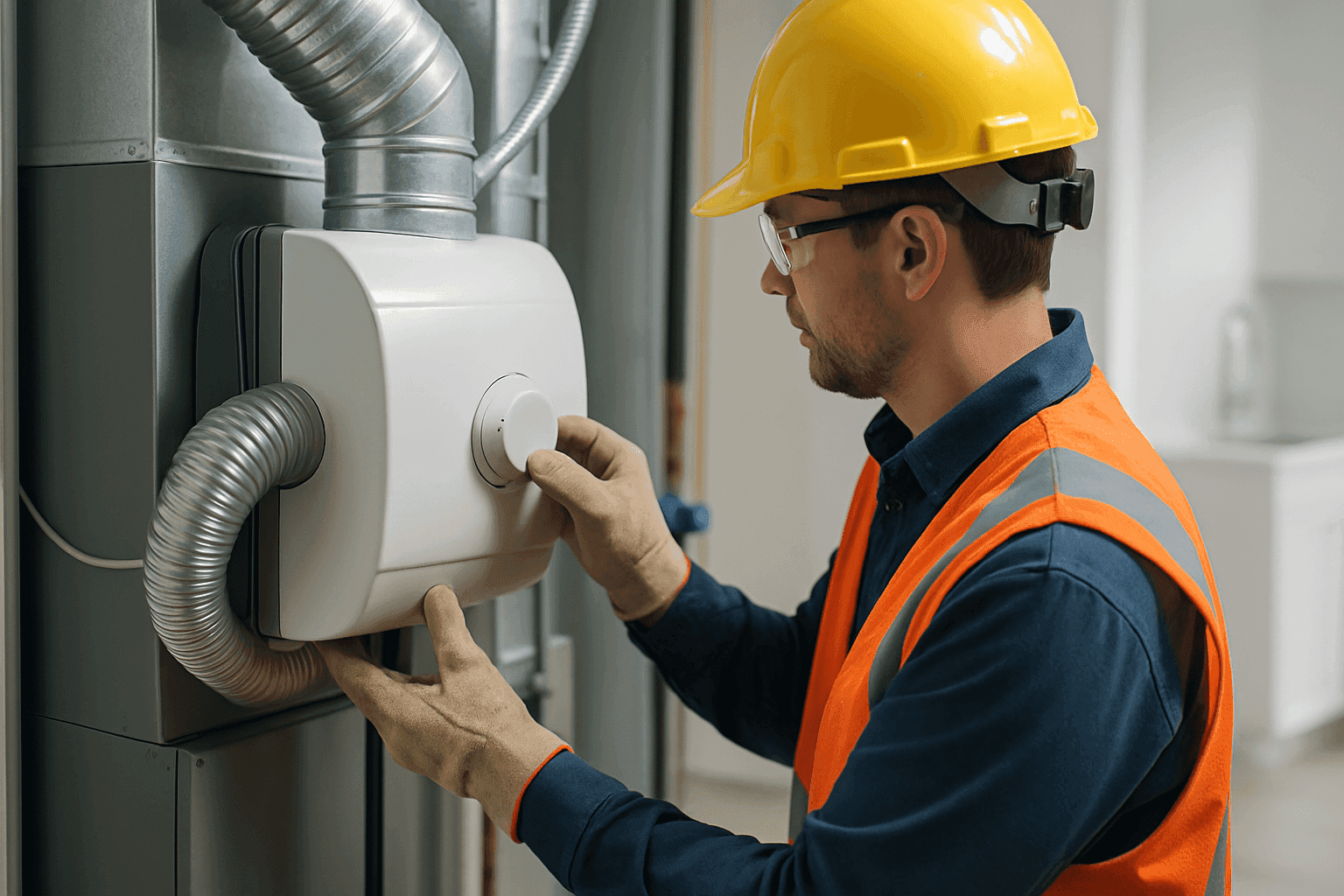
Is your home too muggy and sticky in summer? Or maybe it feels like the desert all winter—static shocks every time you touch a doorknob, dry skin, and wilting houseplants? If this sounds familiar, you’re not alone. At Josh’s Heating & Cooling, we respond to emergency hvac calls all year from people wrestling with humidity problems, and we know how much it impacts comfort and health.
Managing indoor humidity isn’t just about comfort. It’s about protecting your property, your indoor air, and your well-being. Our certified technicians have helped countless families and businesses reclaim healthy air, even when the weather outside has other ideas.
Why Humidity Control is Important
Imagine your home as a living, breathing organism. Just as humans need a balance of water and air, so does your indoor environment. The U.S. Environmental Protection Agency (EPA) recommends keeping indoor humidity between 30% and 50%. Why? Because when humidity strays outside that zone, things can get uncomfortable—and even unsafe.
When humidity is balanced, the air feels fresh, your wooden floors and furniture stay happy, and your HVAC system doesn’t have to work overtime. It’s not just about feeling “nice.” It’s about:
- Health: Reducing the risk of respiratory issues, allergies, and asthma.
- Comfort: No more clammy skin or desert-dry throats.
- Protection: Preventing mold, warping wood, and peeling paint.
- Efficiency: Helping your heating and cooling systems run smoothly, saving energy and money.
Controlling humidity is one of those invisible wins—a bit like tuning a guitar so every note rings clear.
Problems from Too Much or Too Little Humidity
Too much or too little humidity can each cause their own headaches. Let’s break down what happens at both extremes.
When Humidity Is Too High 🌧️
Think of a rainforest—lush, vibrant, but not where you want to live indoors. High humidity can lead to:
- Mold and mildew growth: These thrive above 60% humidity and can cause health problems, especially for those with allergies or asthma (CDC).
- Musty odors: That “old basement” smell.
- Peeling paint and warped wood: Furniture, flooring, and even drywall can suffer.
- Dust mites: High moisture is a dust mite paradise.
When Humidity Is Too Low
On the flip side, think of a desert. Dry, cracked, and uncomfortable.
- Dry skin and eyes: You’ll feel the itch.
- Static electricity: Zap! Every time you touch metal.
- Cracked furniture and floors: Wood loses moisture and splits.
- Worsened respiratory symptoms: Dry air can make coughs and congestion worse.
Our customers often say, “I never realized how big a difference it makes until I fixed it.” Proper humidity is the quiet hero of comfort.
Choosing Humidifiers vs. Dehumidifiers
So, what’s the right solution? It depends on your climate, your building, and your symptoms.
Humidifiers: Adding Moisture
Humidifiers are like watering cans for your air. They add moisture, helping you avoid that parched, winter feeling. There are several types:
- Portable humidifiers: Good for single rooms or small spaces.
- Whole-home humidifiers: Installed with your HVAC system for even coverage.
- Evaporative, ultrasonic, or steam: Different technologies for different needs.
When to use one:
- Winters in cold, dry climates.
- Spaces with wood floors or antique furniture.
- Homes where nosebleeds and dry skin are common complaints.
Dehumidifiers: Removing Moisture
Dehumidifiers are the sponges of the HVAC world. They pull water from the air, making spaces less muggy.
Types:
- Portable dehumidifiers: For basements or problem areas.
- Whole-home dehumidifiers: Integrated into your HVAC for large-scale control.
When to use one:
- Summers in humid regions.
- Homes with musty smells or visible mold.
- Basements prone to dampness.
Which One Do You Need?
- If your windows fog up in summer, or you notice mold spots, a dehumidifier can help.
- If your lips are chapped all winter or you get frequent static shocks, it’s time for a humidifier.
- Not sure? Our certified IAQ (Indoor Air Quality) technicians can help you test and decide.
Maintenance Tips for Humidifiers & Dehumidifiers
Like any hardworking appliance, humidifiers and dehumidifiers need regular love and care to keep working their best.
Humidifier Maintenance
- Clean weekly: Bacteria and mold love standing water.
- Change filters: Follow manufacturer guidelines.
- Use distilled water: Reduces mineral buildup and white dust.
Dehumidifier Maintenance
- Empty the tank: Or set up a drain hose for continuous use.
- Clean coils and filters: Dust and grime slow things down.
- Inspect for leaks: Catch problems early.
A little effort goes a long way. Well-maintained units last longer and keep your air cleaner.
What Happens When You Ignore Humidity Problems?
Ignoring humidity is like ignoring a slow leak under the sink. It may seem harmless, but over time, damage adds up.
- Mold remediation is costly and disruptive.
- Chronic dry air can lead to health issues and damage to your home’s structure.
- Your HVAC system may have to work harder, using more energy and wearing out faster.
It’s easier—and cheaper—to fix humidity before it becomes a crisis.
Quick Safety Checklist
Before you plug in that new humidifier or dehumidifier, keep safety in mind:
- Place units on a flat, stable surface.
- Keep cords out of high-traffic areas to prevent trips.
- Don’t overfill water tanks.
- Clean and maintain regularly to prevent mold and bacteria.
- Check for proper drainage if running continuously.
Follow manufacturer instructions and local code guidance. The CDC recommends keeping indoor humidity below 60% to prevent mold and above 30% to avoid dryness.
DIY vs. Call a Pro
Some humidity fixes are DIY-friendly—like running a portable humidifier in your bedroom. But whole-home solutions, or diagnosing persistent problems, often call for professional help.
DIY is usually enough when:
- You have a single problem room.
- You’re comfortable with basic maintenance and cleaning.
Call a pro if:
- You notice widespread mold or water damage.
- Your HVAC system seems to be struggling.
- You want whole-home IAQ testing or installation.
- You need help choosing the right size or type of unit.
Certified HVAC pros can also spot issues you might miss—like hidden duct leaks or ventilation problems.
What Pros Do On Arrival
When you call Josh’s Heating & Cooling, our certified IAQ technicians arrive ready for action. Here’s what to expect:
- Humidity testing: Using reliable meters to check levels throughout your space.
- System inspection: Looking at your HVAC, ductwork, and any existing humidification/dehumidification equipment.
- Indoor Air Quality (IAQ) assessment: Pinpointing any mold, dust, or allergen concerns.
- Tailored recommendations: Based on your building, climate, and budget.
- Safe, code-compliant installation: We follow EPA, CDC, and local safety standards.
We’ve heard from customers who say, “I didn’t realize the air could feel this good!” after a proper fix.
Prevention & Maintenance
Smart prevention saves headaches later. Here’s how to keep humidity in check year-round:
- Schedule annual HVAC Maintenance—catch problems before they start.
- Change filters regularly (every 1-3 months).
- Use exhaust fans in bathrooms and kitchens to reduce moisture.
- Seal windows and doors to keep outside weather where it belongs.
- Consider whole-home solutions for balanced comfort.
If you’re not sure where to start, a home energy audit can reveal hidden issues—like leaky ductwork or poor insulation—that make humidity control harder.
Costs & Time Factors
Fixing humidity isn’t one-size-fits-all. Here’s what can affect costs and timing:
- Type of solution: Portable units are less expensive than integrated whole-home systems.
- Size of the area: Larger homes or commercial spaces may need bigger equipment.
- Existing HVAC setup: Older or complex systems may take longer to upgrade.
- Maintenance needs: Regular care prevents breakdowns and extends lifespan.
Most portable units can be set up in under an hour. Whole-home installations may take a few hours to a day, depending on complexity. Maintenance is usually quick and can often be bundled with routine HVAC service.
When It’s an Emergency
Humidity can become an emergency hvac issue. If you spot:
- Sudden, widespread mold growth.
- Major water leaks or flooding.
- Unusual smells or signs of electrical problems from your device.
Turn off the system and call for 24 hour emergency service. Safety and health come first.
FAQ: Humidity Control
How do I know if my home is too humid or too dry?
Look for signs: condensation on windows, musty smells, or mold mean it’s too humid. Static shocks, dry skin, or cracking wood mean it’s too dry. Humidity meters (hygrometers) give you precise numbers.
Will a new HVAC Installation near you help control humidity?
Modern systems with integrated humidifiers or dehumidifiers offer much better control than older units. Ask your installer about humidity balancing features.
Can I run a humidifier and dehumidifier at the same time?
It’s rare, but sometimes needed in large buildings with different zones. Usually, though, one or the other does the trick.
What about allergies and asthma?
Balanced humidity keeps allergens like mold and dust mites in check, which the CDC notes can help ease symptoms.
Local & Seasonal Considerations
Where you live shapes your humidity needs. In the Midwest or Northeast, winters are dry—humidifiers shine. In the South or coastal areas, summer humidity makes dehumidifiers essential. Out West, desert climates mean dry air almost year-round.
For commercial buildings, kitchens, gyms, and other special-use spaces, humidity swings can be even more extreme. Our technicians have seen it all—from soggy basements to parched office suites.
No matter the challenge, controlling humidity is key to keeping your space healthy and comfortable.
Ready to breathe easier? Whether you need emergency hvac help or want to explore whole-home solutions, Josh’s Heating & Cooling is here for you.
Call Josh's Heating & Cooling now — or reach us anytime at 877-611-0277 .