How Much Does HVAC Repair Cost? Complete 2024 Breakdown
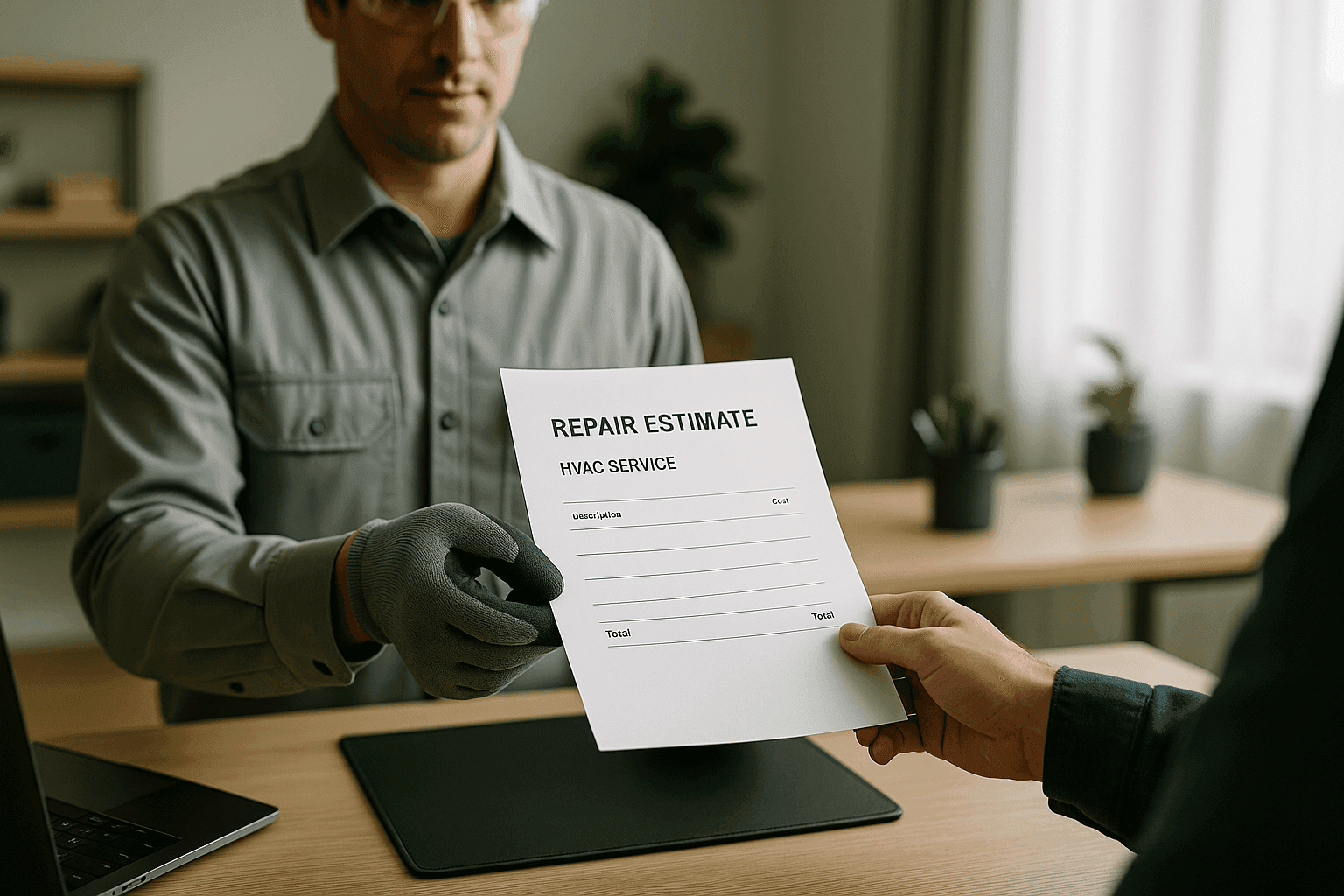
When your heat goes silent on a freezing night, or your AC sputters out during a heatwave, a quick fix isn’t just about comfort—it’s about safety. At Josh’s Heating & Cooling, we know that sudden HVAC breakdowns can leave you anxious, especially when it comes to costs.
This guide explains what you can expect to pay for HVAC repair in 2024, using real examples and the latest national averages—so you can budget wisely and never feel left in the dark.
Factors Affecting HVAC Repair Cost 🛠️
No two homes or businesses are alike. That’s why HVAC repair costs can range widely. Here’s what shapes your final bill:
- Type of System: Older furnaces, modern mini-splits, rooftop units—each has unique parts and challenges.
- Age of Equipment: Vintage systems might need hard-to-find parts, driving up costs.
- Type of Repair: A clogged filter is a quick fix. A cracked heat exchanger? That’s a bigger job.
- Labor Rates: Emergency HVAC calls, weekends, and nights often mean higher hourly rates.
- Parts Availability: If parts are on backorder or require special shipping, expect an uptick.
- Location: Prices in big cities or remote areas can be higher, thanks to demand or travel time.
- Season: Peak seasons (summer and winter) usually cost more due to high demand.
Real customer example:
Last winter, a residential client in a rural area needed a furnace ignitor replaced. Part cost: $90. Labor: $180. Icy weather? Added $40 for emergency travel. Final bill: $310—transparent and explained upfront.
Average Costs by Issue
To help you set expectations, here’s what homeowners and businesses often pay for common HVAC repairs in 2024:
- Thermostat replacement: $120–$350 (basic to smart models)
- Blower motor repair/replacement: $250–$900
- Capacitor or contactor replacement: $120–$400
- Refrigerant recharge (AC): $150–$600 (prices up if there’s a leak)
- Furnace ignitor or flame sensor: $150–$350
- Duct cleaning/repair: $250–$700 (depends on size and access)
- Radiant heating repairs: $200–$850
Commercial repairs (think rooftop units or larger ductwork) can run higher—sometimes by 30–60%, especially where custom sheet metal or advanced controls are involved.
Note: These are ballpark figures from industry sources like the Air Conditioning Contractors of America and local repair data. Always ask for a written estimate before any work starts.
Emergency Service Fees ⚡
Emergencies don’t check the clock. But after-hours fixes do come with surcharges. Here’s what you might see:
- After-hours or holiday surcharge: $100–$250 on top of regular repair cost
- Minimum service call fee: $90–$200 (applies even if it’s a quick fix)
- Travel fees: For remote or hard-to-reach properties, add $30–$100
If your system fails in the middle of the night, these fees ensure a tech is available—but they add up. For example, a basic capacitor swap on a Sunday night might total $400 instead of $220 on a weekday.
Saving on Repairs
Nobody likes surprise expenses. Here’s how you can avoid overpaying and keep your system running longer:
- Schedule regular maintenance: A simple tune-up (usually $100–$200) can spot problems early.
- Replace filters every 1–3 months: Dirty filters stress your system, leading to breakdowns.
- Ask about off-season discounts: Spring and fall repairs can be 10–20% less, since demand drops.
- Check for manufacturer warranties: Some parts may be covered if your system is newer.
- Get a second opinion: If a repair quote feels high, there’s no harm in asking another pro.
Tip: Energy.gov recommends annual inspections to keep systems running safely and efficiently.
When to Replace vs. Repair
Sometimes, another repair is just a bandage on a much bigger problem. Here’s how to know when it’s time to swap out your system instead:
- Age of System: If your furnace or AC is 12–20 years old, frequent repairs may not be worth it.
- Repair Cost vs. Replacement: If a repair costs more than half the price of a new unit, replacement is usually smarter.
- Energy Bills Rising: Old systems lose efficiency, costing you more every month.
- Safety Issues: Cracked heat exchangers or major electrical faults can pose real risks.
Real scenario:
A local bakery called our emergency HVAC line three times in one month for condenser issues. After a $1,200 repair bill and repeated breakdowns, we helped them install a new, high-efficiency rooftop unit. Their energy bills dropped, and the headaches disappeared.
Regional Price Variations & Off-Season Tips 🌎
HVAC repair isn’t one-size-fits-all across the country. Here’s what drives cost differences:
- Urban vs. Rural: City labor rates and parts costs are often higher.
- Climate: Cold regions can see pricier heating repairs in winter, and hot areas pay more for AC fixes in summer.
- Local Codes: Some areas require extra permits or inspections, adding to the total cost.
- Off-Season Discounts: Many companies (including Josh’s Heating & Cooling) offer lower rates in the spring and fall. Fewer emergencies mean you might snag a deal.
Practical Tips for Homeowners & Businesses
- Don’t ignore strange noises or smells: Early attention can prevent a small issue from turning into a costly repair.
- Keep vents and registers clear: Blocked airflow stresses your system.
- Install programmable thermostats: They help your system run less when you’re away, extending its life.
- Know your system’s age and warranty: Keep a folder with manuals and receipts for easy reference.
Frequently Asked Questions
How fast can emergency HVAC services arrive?
Most teams, including us, aim for same-day service—day or night. But severe weather or high demand sometimes cause delays.
Are repair costs higher for commercial properties?
Yes. Commercial systems are bigger and more complex, so expect a bump in both parts and labor.
Will my repair be covered by insurance?
Broken parts from normal wear-and-tear usually aren’t covered. But sudden damage from storms or power surges might be—always check your policy.
Can I do any repairs myself?
Changing filters or flipping a tripped breaker is usually safe. For anything else—especially with gas or high voltage—call a licensed technician.
When It’s an Emergency
You know it’s urgent if:
- Your system won’t turn on during extreme heat or cold.
- You smell gas or burning.
- There’s flooding near your indoor unit.
- Breakers keep tripping when the system starts.
In these cases, call for emergency HVAC help right away. Safety comes first.
Don’t let a surprise repair put your comfort—or safety—on hold. For honest, 24/7 answers on HVAC Installation near you, or to get a clear estimate for your repair,
Call Josh's Heating & Cooling now — or reach us anytime at 877-611-0277 .