Home Energy Audits: How They Save Money & Boost Comfort
Is your home always chilly in winter or too stuffy in summer—no matter how much you adjust the thermostat? Do your energy bills leave you scratching your head, wondering where all that power is going? You’re not alone. Most homes—old or new—hide sneaky leaks and energy drains that sap comfort and cash.
At Josh’s Heating & Cooling, we know that comfort isn’t just about blasting heat or AC. It’s about finding—and fixing—what’s quietly wasting your energy behind the scenes. That’s where a professional home energy audit comes in. Let’s break down the process, the value, and what you’ll actually get from an audit done to trusted BPI and RESNET standards.
What is a Home Energy Audit? 🏡
Think of a home energy audit like a doctor’s checkup—but for your house. Instead of poking and prodding, certified auditors use tools and tests to “diagnose” how your home uses (and loses) energy.
A professional audit examines insulation, air leaks, HVAC performance, and more. The goal? To pinpoint where you’re losing heated or cooled air, where your systems are working too hard, and what’s driving up those energy bills.
Auditors certified by BPI (Building Performance Institute) or RESNET (Residential Energy Services Network) follow strict standards. They don’t just guess—they measure, test, and report, so you get honest answers you can act on.
Audit Steps and Tools
A real energy audit isn’t just a walk-through. Here’s what you can expect from a thorough evaluation:
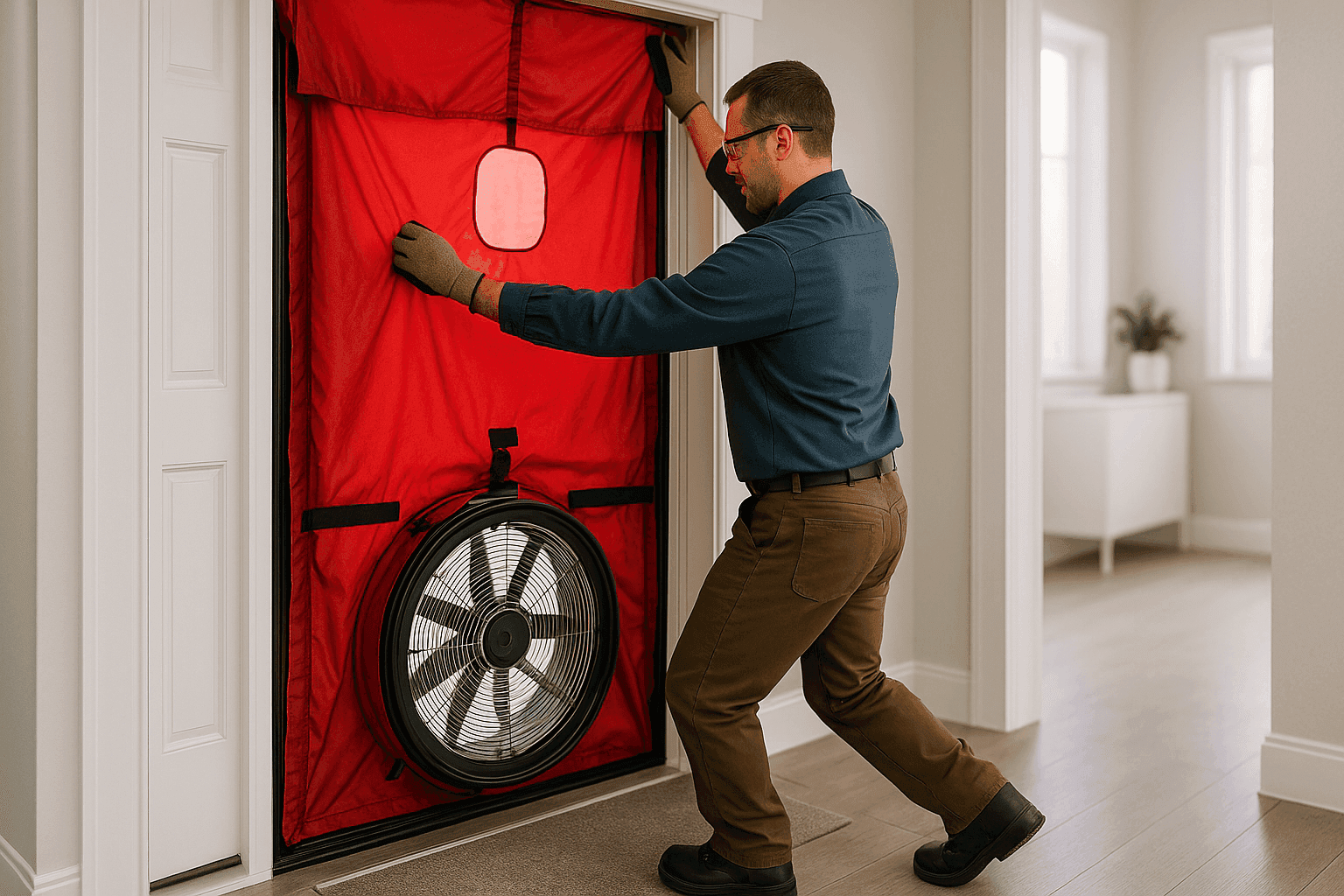
- Blower Door Test: This big red door cover isn’t a magic trick—it’s a powerful fan that pulls air out of your house, revealing every hidden draft and gap.
- Infrared Camera: Like x-ray vision for your walls, it shows where heat slips out or cold sneaks in.
- Ductwork Inspection: Leaky ducts can waste up to 30% of heated or cooled air. Pros find and flag these invisible leaks.
- Insulation Check: Auditors check the attic, walls, and floors to see if you have enough insulation—or if it’s even working right.
- HVAC System Analysis: From furnace to mini-split, every system gets a performance review.
- Combustion Safety Testing: For homes with gas appliances, safety is non-negotiable. Auditors ensure nothing’s backdrafting or leaking carbon monoxide.
- Airflow and Ventilation Assessment: Fresh air matters. Pros check that your house breathes right, not just seals tight.
By the end, you’ll have a detailed report—often with photos and clear recommendations—tailored to your home’s quirks.
HVAC’s Role in Energy Use
Your HVAC system is the heart and lungs of your home. But if the “body” has leaks, blockages, or drafts, even the best system will struggle.
- Oversized or undersized units work harder, wasting energy.
- Leaky ducts mean you’re heating or cooling crawlspaces and attics, not living rooms.
- Old thermostats can misread temps by several degrees, causing constant cycling.
- Neglected filters choke airflow, making systems run longer for the same result.
Most energy audits reveal that HVAC issues are a major source of wasted energy—and lost comfort. Tackling these can make your home feel better instantly.
Common Problems Found
Every home tells its own story, but some chapters repeat:
- Attic Insulation Gaps: Even a small missing patch can leak heat like an open window.
- Drafty Windows and Doors: Weatherstripping or caulk wears out, letting conditioned air escape.
- Unbalanced Airflow: Certain rooms stay too hot or too cold, even with the system on.
- Inefficient Appliances: Old furnaces, ACs, or water heaters may be energy hogs.
- Unsealed Recessed Lights: Gaps around fixtures can suck out air.
- Basement or Crawlspace Leaks: These can draw in damp, cold air and raise humidity.
- Dirty Filters: Simple, but common—clogged filters reduce efficiency and air quality.
A certified auditor can spot these, measure their impact, and show you exactly where to act.
Actionable Savings 💡
A good energy audit isn’t just a list of problems—it’s a roadmap to real savings and better comfort. Here’s what you can do post-audit:
- Seal air leaks: Caulking, weatherstripping, and foam sealant are your best friends.
- Upgrade insulation: Focus on attics and rim joists for the biggest impact.
- Improve ductwork: Seal, insulate, and balance for even temps throughout your home.
- Tune up or upgrade HVAC: Sometimes a simple repair or new filter is enough. Other times, high-efficiency equipment pays for itself.
- Smart thermostats: Programmable models save energy without sacrificing comfort.
- IAQ upgrades: Consider air scrubbers, humidifiers, or dehumidifiers for healthier air.
- Routine maintenance: Regular HVAC checkups keep everything running at peak efficiency.
- Utility rebates: Many utility companies offer cash back or financing for energy improvements. Ask your auditor what’s available in your region.
Some fixes are DIY-friendly. Others, like radiant heating upgrades or geothermal installs, call for the pros at Josh’s Heating & Cooling.
Local Rebates & Climate-Specific Tips
Energy needs shift with the seasons and your local climate. In colder areas, attic insulation and furnace efficiency matter most. In humid regions, proper ventilation and dehumidifiers can make all the difference.
Many local utilities, state agencies, and even federal programs offer rebates or incentives for upgrades recommended in a certified audit. Ask about programs that fit your address—not just generic advice.
Case Study: Real Results
One homeowner in our service area saw winter gas bills drop by 30% after a BPI-certified audit and targeted fixes—mostly attic air sealing and a new smart thermostat. Comfort improved, and drafts disappeared, without a major remodel.
For commercial clients, our ASHRAE-based energy audits have uncovered savings in everything from rooftop units to air balancing in office suites. Each building is unique, but the process works everywhere.
Why Use a Certified Auditor?
Anyone can say they “know HVAC.” But BPI and RESNET-certified auditors are trained to spot issues others miss. They use calibrated tools, follow safety codes (like NFPA 54 for gas appliances), and provide real, data-backed recommendations.
At Josh’s Heating & Cooling, our team is trained to these standards—so you know you’re getting answers you can count on.
Practical Tips Before Your Audit
- Write down comfort issues: Which rooms are too hot, cold, or humid?
- Gather a year’s worth of utility bills for a true picture of usage.
- Clear access to attics, crawlspaces, and mechanical rooms.
- Have questions ready—no topic is too small.
FAQ
How long does a home energy audit take?
Most audits last 2–4 hours, depending on home size and complexity.
Is it messy or disruptive?
Not at all. Auditors use protective gear and leave your home as neat as they found it.
Will I have to replace my HVAC system?
Not usually. Many issues are fixable with sealing, insulation, or adjustments. But if your system is old or failing, upgrades may pay off fast.
Do energy audits work for businesses, too?
Absolutely. Commercial spaces can waste huge amounts of energy—often with quick fixes.
When It’s an Emergency
If you smell gas, lose heat in a deep freeze, or face a sudden HVAC system failure, call for emergency hvac help immediately. Some problems can’t wait—especially in extreme weather. Your safety comes first.
Ready to Make Your Home More Comfortable?
If you’re tired of high bills, cold spots, or AC that just can’t keep up, a certified home energy audit is the first step. Josh’s Heating & Cooling offers audits, HVAC Installation near you, and 24/7 emergency hvac service to keep you comfortable year-round.
Call Josh's Heating & Cooling now — or reach us anytime at 877-611-0277 .