Heating Repair in Winter: Fast Fixes for Common Issues
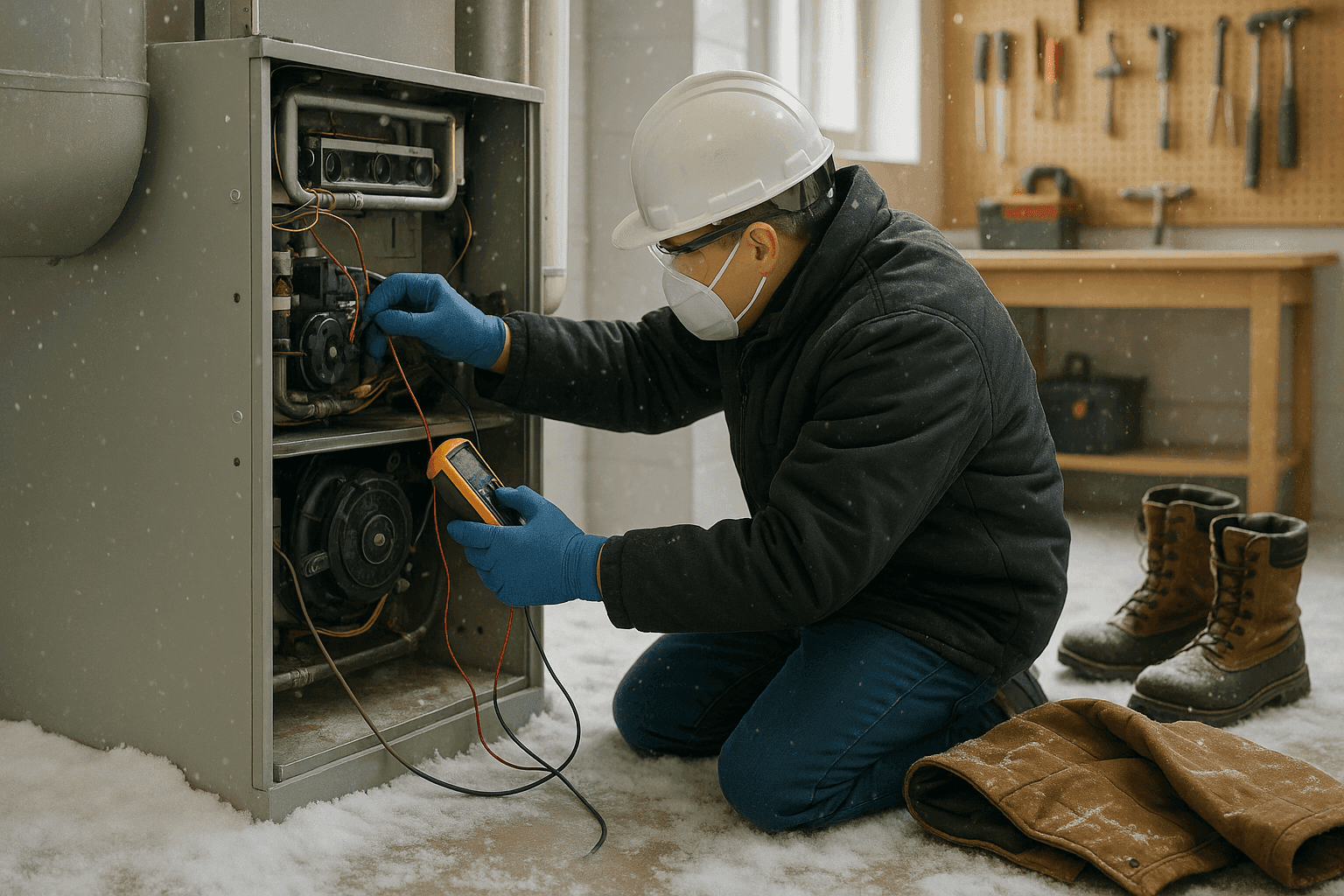
When winter settles in, a broken heater isn’t just uncomfortable—it’s an emergency. At Josh's Heating & Cooling, we know how quickly a cozy night can turn into a shivering scramble. Whether it’s a furnace that refuses to kick on or a heat pump that’s blowing cold air, these problems never seem to wait for business hours.
Our certified technicians have seen it all: midnight breakdowns during blizzards, holiday gatherings cut short by chilly air, and homes at risk of frozen pipes. This guide will equip you with quick checks, safe steps, and the know-how to decide when it’s time to call for emergency HVAC help.
Top Winter Heating Issues 🥶
When the temperature drops, some heating problems pop up more than others. Here are the usual suspects you might face:
- Furnace won’t start: Sometimes it’s nothing more than a tripped breaker or a thermostat hiccup. Other times, something more serious is at play.
- Weak or no airflow: Clogged filters, blower problems, or duct issues can all leave you feeling chilly.
- Unusual noises: Banging, rattling, or screeching often means a loose part or a failing motor.
- Short cycling: If your heater keeps turning on and off, it could overheat or waste energy.
- Cold spots: Uneven heating can signal issues with ductwork, vents, or even insulation.
- Unpleasant smells: A musty or burning smell shouldn’t be ignored—it could mean dust buildup or even an electrical issue.
If you’re experiencing any of these, you’re not alone. Most homeowners in cold climates face these challenges at some point, especially during deep freezes or sudden storms.
DIY Checks: What to Try First 🛠️
Before you panic or bundle up in every blanket you own, try these safe and simple steps:
- Check the thermostat: Is it set to “heat”? Are the batteries fresh? Sometimes the fix is as easy as a quick reset.
- Inspect your breaker panel: A tripped or blown fuse can stop everything. Flip it off and on again if needed.
- Change the filter: A dirty air filter can choke your system. Swapping it out is quick and can make a big difference.
- Open all vents: Make sure furniture or drapes aren’t blocking airflow.
- Look for error codes: Many modern furnaces display blinking lights or codes—jot these down for the technician.
- Listen and smell: Pay attention to changes. Odd noises or burning odors are warning signs.
Safety tip: If you smell gas or suspect a carbon monoxide leak, leave your home immediately and call emergency services. Don’t risk it.
When to Call for Help
Not every problem can be fixed with a filter change or a flip of the switch. Here’s when it’s time to contact Josh's Heating & Cooling for emergency HVAC service:
- No heat at all: If your system is completely dead and you’ve checked the basics, professional help is needed.
- Repeated shut-offs: Short cycling or frequent stops could damage your system or signal a safety issue.
- Strange smells or smoke: These are always urgent. Electrical or gas problems require expert attention fast.
- Visible water leaks: Water around your furnace or boiler could mean a cracked heat exchanger or other serious problem.
- Sudden loud noises: Banging, grinding, or screeching can cause further damage or even pose safety risks.
Our technicians are trained, certified, and follow industry safety codes (such as NFPA 54 for gas piping and manufacturer’s guidelines for all repairs).
Emergency Heating Tips for Cold Nights 🌙
If you’re waiting for help or trying to stay warm during a breakdown, here’s what you can do safely:
- Seal off unused rooms: Close doors to keep heat where you need it most.
- Layer up: Wear thermal clothing and use extra blankets.
- Use safe space heaters: Only use units with automatic shut-off and never leave them unattended.
- Let sunlight in during the day: Open curtains to soak up natural warmth.
- Never use your oven for heat: This is dangerous and not intended for home heating.
Important: Never run generators inside your home or garage. Carbon monoxide is deadly and invisible.
Certified Technician Input: What We Check First
When our team arrives, here’s how we approach a winter heating emergency:
- Visual inspection: We check for obvious signs of damage, leaks, or disconnections.
- Test system safety controls: Emergency shut-offs, pressure switches, and limit controls are verified for safe operation.
- Check electrical and gas connections: Loose wires or gas leaks are a top priority.
- Assess airflow and ventilation: We inspect ductwork and measure airflow to ensure nothing is blocked.
- Review thermostat and controls: Sometimes the issue is as simple as a faulty sensor or miswired connection.
We follow local building codes and National Fire Protection Association (NFPA) recommendations for every repair.
Real-World Story: A Holiday Save
Last New Year’s Eve, a family called us when their furnace stopped during a snowstorm. With kids bundled up and guests on the way, they tried the basics—resetting the thermostat, checking the filter—but the heat stayed off. Our emergency HVAC tech arrived quickly, found a cracked igniter, and replaced it. The house warmed up before midnight, and everyone could celebrate in comfort.
Seasonal and Local Considerations
Cold climates and holiday seasons can stress heating systems more than usual. Ice and snow buildup can block intake or exhaust vents, causing shutdowns. During storms, power surges may trip safety switches or damage sensitive components. It’s also common for systems to fail after sitting idle, only to break down on the first truly cold night.
If you live in an area with harsh winters, consider scheduling regular HVAC maintenance before the season starts. This reduces the risk of emergency calls and helps you avoid waiting during peak demand.
Prevention Tips: Maintenance Matters 🧰
Keeping your heating system in shape is the best way to avoid emergencies:
- Replace filters monthly during heavy use.
- Schedule annual inspections with a professional—especially for gas furnaces and boilers.
- Test carbon monoxide detectors regularly.
- Clear snow and debris from outdoor vents and heat pump units.
- Check for drafts and add insulation where needed.
According to the U.S. Department of Energy, simple steps like these can improve efficiency by up to 20% and extend the life of your system.
Costs & Time Factors
Emergency HVAC repairs can range from quick fixes to more complex parts replacements. Most minor repairs (like igniter swaps or thermostat issues) take about 1–2 hours. More involved repairs—such as blower motor replacement or duct repairs—can take several hours.
Costs depend on the part, the time of service (after-hours or holidays may be higher), and whether specialized equipment is needed. Always ask your technician for a clear explanation of what’s needed before authorizing work.
When It’s a Heating Emergency 🚨
If your home or business is losing heat quickly, pipes are at risk of freezing, or you have vulnerable people (young children, elderly, or those with medical conditions), it’s an emergency. Waiting it out is risky when temperatures plunge.
Josh's Heating & Cooling offers true 24 hour emergency service—because winter doesn’t wait for a convenient time.
FAQ: Your Winter Heating Questions
Q: How do I know if I need emergency HVAC repair or can wait?
If you have no heat, smell gas, or see water leaks, call immediately. Minor airflow issues or uneven heating can often wait until regular hours.
Q: Are there quick fixes for a furnace that won’t start?
Try resetting the thermostat, checking the breaker, and replacing the filter. If it still won’t run, call a pro.
Q: How can I prevent heating emergencies during the holidays?
Schedule a pre-season tune-up, replace filters, and don’t ignore small problems—they tend to get worse when you need heat most.
Q: What’s the most common cause of winter heating breakdown?
Dirty filters, thermostat malfunctions, and ignition problems top the list.
Stay Safe, Stay Warm
Don’t let a heating emergency leave you in the cold. Keep this guide handy, know your limits, and reach out to the pros when needed. At Josh's Heating & Cooling, we’re ready day or night to keep your home or business warm and safe.
Call Josh's Heating & Cooling now — or reach us anytime at 877-611-0277 .