Geothermal HVAC Systems: Are They Worth It?
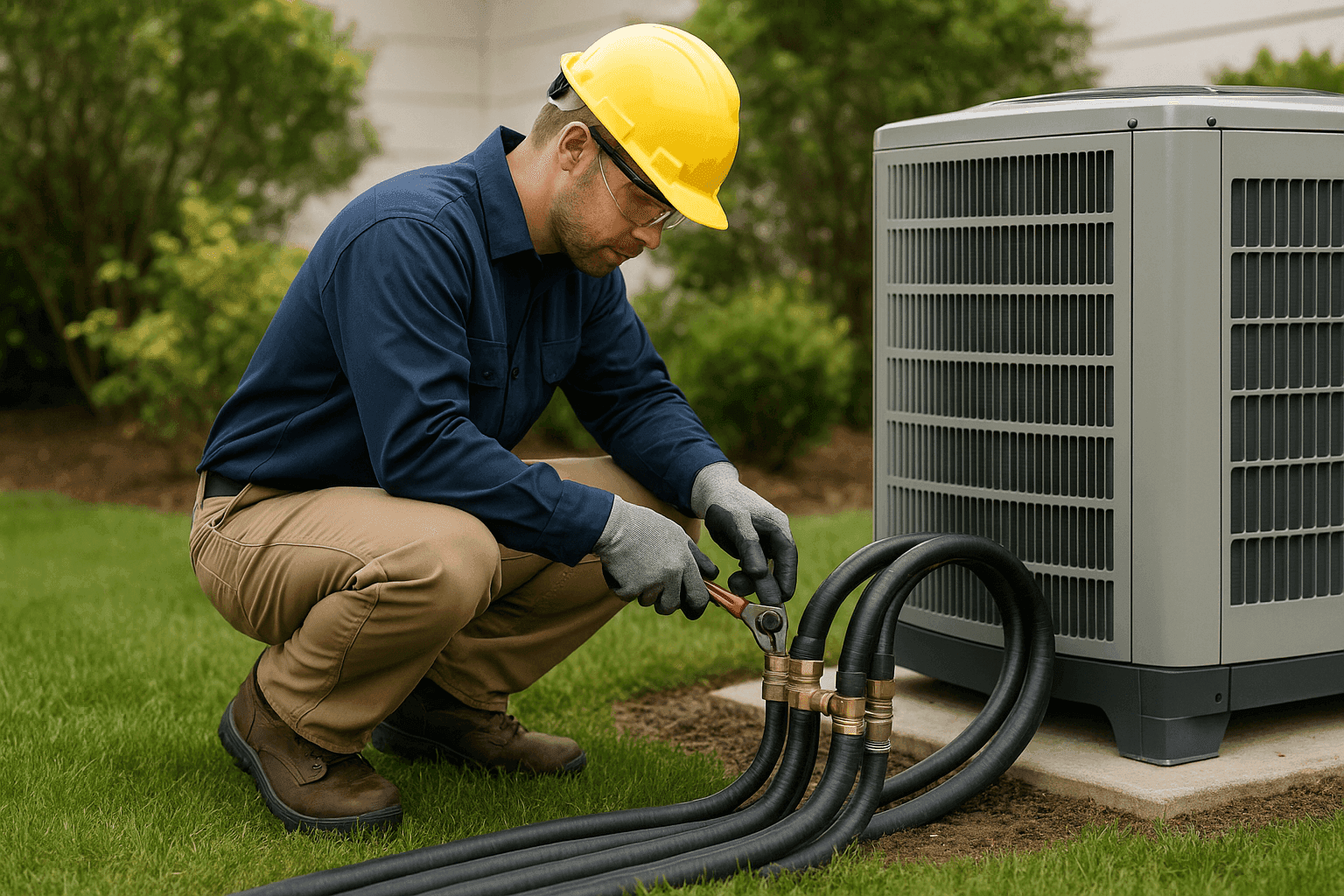
Is your monthly energy bill climbing higher than your thermostat on a hot July day? Feeling stuck between another repair or a whole new system? At Josh’s Heating & Cooling, we get those late-night calls from folks whose old furnaces or AC units just can’t keep up anymore. If you’re looking for a smarter, long-term solution—maybe even one that taps into the earth itself—geothermal HVAC might have caught your eye.
But is it really worth it? Let’s dig in and see what makes geothermal tick, where it shines, and whether it truly pays off for homes and businesses today.
How Geothermal HVAC Works 🌎
Imagine the earth as a giant rechargeable battery. Just a few feet below the surface, the ground stays at a steady temperature year-round—cool in summer, warm in winter. Geothermal HVAC systems harness this underground climate.
Here’s a simple breakdown:
- Underground loops: Pipes buried in your yard move water or refrigerant through the earth.
- Heat pump unit: Inside your property, this device pulls heat from the ground into your building in winter, or pushes heat out in summer.
- Distribution: Standard ductwork or radiant systems move conditioned air or heat throughout your space.
The U.S. Department of Energy (DOE) and ENERGY STAR both recognize geothermal as one of the most efficient ways to heat and cool a building. It’s a bit like using nature’s own energy to keep comfortable—without burning extra fuel or making your meter spin wildly.
Types of Geothermal Systems
- Closed loop: Most common for homes. Pipes are buried horizontally or vertically. Good for most yards.
- Open loop: Uses groundwater directly, if available.
- Pond/lake loop: Pipes go into a nearby water source.
Every property is unique, so a certified installer from Josh’s Heating & Cooling will help you decide what fits best—no “one size fits all” here.
Upfront Costs & Incentives 💰
Let’s talk numbers. Geothermal is an investment, no way around it. Installing a system can cost several times more than a standard furnace or AC. Why? Digging, drilling, and laying those underground loops takes special equipment, serious skill, and a bit of time.
Typical cost factors:
- Size of your building
- Soil type and yard size
- Loop type (horizontal, vertical, pond)
- Existing ductwork or radiant setup
But here’s where it gets interesting: generous incentives can slash those upfront costs. Federal tax credits of up to 30% are available for both homeowners and commercial properties (per IRS Section 25D and 48). Many states and utilities also offer rebates or low-interest financing. Check your eligibility before you rule geothermal out.
Real-world tip: For some families and business owners, incentives drop the payback time to as little as 5–8 years (DOE data, 2024).
Energy Savings
Here’s where geothermal shines brightest. Once installed, these systems can deliver up to 60% savings on heating, cooling, and hot water costs compared to traditional systems. That’s because you’re moving heat, not making it from scratch.
What does this mean for you?
- Lower monthly utility bills—often dramatically lower, especially in regions with extreme seasons.
- Less wear and tear on your HVAC equipment.
- Carbon emissions drop, too, since fossil fuels aren’t burned on-site.
ENERGY STAR and the DOE both back up these savings figures. In fact, a well-installed geothermal system can last 20–25 years for the indoor unit and more than 50 years for the ground loop.
Real-World Case Studies
- Residential: A local homeowner saw winter bills fall from $300/month to just $120 after switching to geothermal. (DOE, 2023)
- Commercial: Office buildings using geothermal have cut HVAC energy use by over 40% during peak demand.
Maintenance Needs 🧰
Think of geothermal as the “set it and forget it” option of the HVAC world—most of the magic happens underground, protected from the weather. But, like any system, it still needs some TLC:
Routine checks:
- Inspect and change air filters every 1–3 months.
- Check water pressure and antifreeze levels in the loop annually.
- Clean and service the indoor unit (just like a regular heat pump).
- Make sure ductwork stays sealed and clean.
Unlike a traditional furnace or AC, there are no outdoor compressors exposed to rain, snow, or leaves. This means fewer breakdowns, less noise, and a longer lifespan. But, only certified technicians should handle repairs or loop inspections—underground work is not a DIY job.
Pro Tip: Annual maintenance keeps your geothermal system humming—just like regular tune-ups for any HVAC installation near you.
Is Geothermal Right for Your Property?
Here’s where the rubber meets the road. Geothermal isn’t for everyone, and that’s okay. Ask yourself:
- Do you plan to stay in your home or keep your property for 10+ years?
- Is there enough yard space for horizontal loops, or can vertical drilling be done?
- Are local soil and rock conditions suited for digging?
- Can you access available federal/state incentives?
- Do you want to reduce your carbon footprint and save on energy long-term?
If you answered “yes” to most, geothermal could be a slam dunk. But if your stay is short or your yard is tiny, other high-efficiency options might make more sense.
Common Scenarios
- Homeowners who want energy savings and comfort year-round
- Commercial properties with high utility bills
- Renovations where old HVAC is failing and ground space is available
Installation Requirements & Timeline
Installing geothermal is a bit like a small construction project. Expect:
- Site assessment (soil, yard, existing system)
- Loop installation (can take 1–3 days)
- Connecting the indoor heat pump
- Integrating with ducts or radiant floors
The whole process might take a week or more, depending on weather and site conditions. Safety and code compliance—always checked and double-checked. At Josh’s Heating & Cooling, our installers are licensed and certified for geothermal by national and state bodies.
Local Incentives & Codes
Federal tax credits (per IRS guidelines) are available through at least 2032. Many states offer additional rebates, especially for emergency hvac upgrades that lower grid demand. Your local utility may also have energy efficiency programs, so always ask.
Building codes: Geothermal systems must meet state and local codes for trenching, drilling, loop design, and refrigerants. The International Ground Source Heat Pump Association (IGSHPA) sets standards followed by pro installers.
Payback Timeline
With incentives, many property owners see a payback in 5–12 years—sometimes sooner, if energy costs are high. After that, energy savings stack up year after year. Remember, the ground loop could last half a lifetime or more.
Maintenance Needs
- Change filters regularly
- Annual pro inspection
- Keep ducts and vents clear of debris
- Watch for leaks or pressure drops
Don’t ignore odd noises or rising bills—call for emergency hvac help promptly.
Real-World Case Study
Case: A small business in a midwestern town installed geothermal for a 4,000 sq ft building. Upfront costs were high, but with state incentives and a federal tax credit, payback was under 8 years. The owner now reports 50% lower heating costs, near-silent operation, and no emergency calls for repairs in the first 6 years.
Is Geothermal Worth It? The Bottom Line
Geothermal HVAC is a big decision. Upfront costs are real, but so are the long-term savings and peace of mind. If you want to future-proof your property, cut your carbon footprint, and enjoy year-round comfort—geothermal might just be the answer.
If you’re ready for a no-pressure conversation about whether geothermal makes sense for your home or business, Josh’s Heating & Cooling is here—day or night.
Call Josh's Heating & Cooling now — or reach us anytime at 877-611-0277 .