Furnace Repair: Signs You Need Service and What to Expect
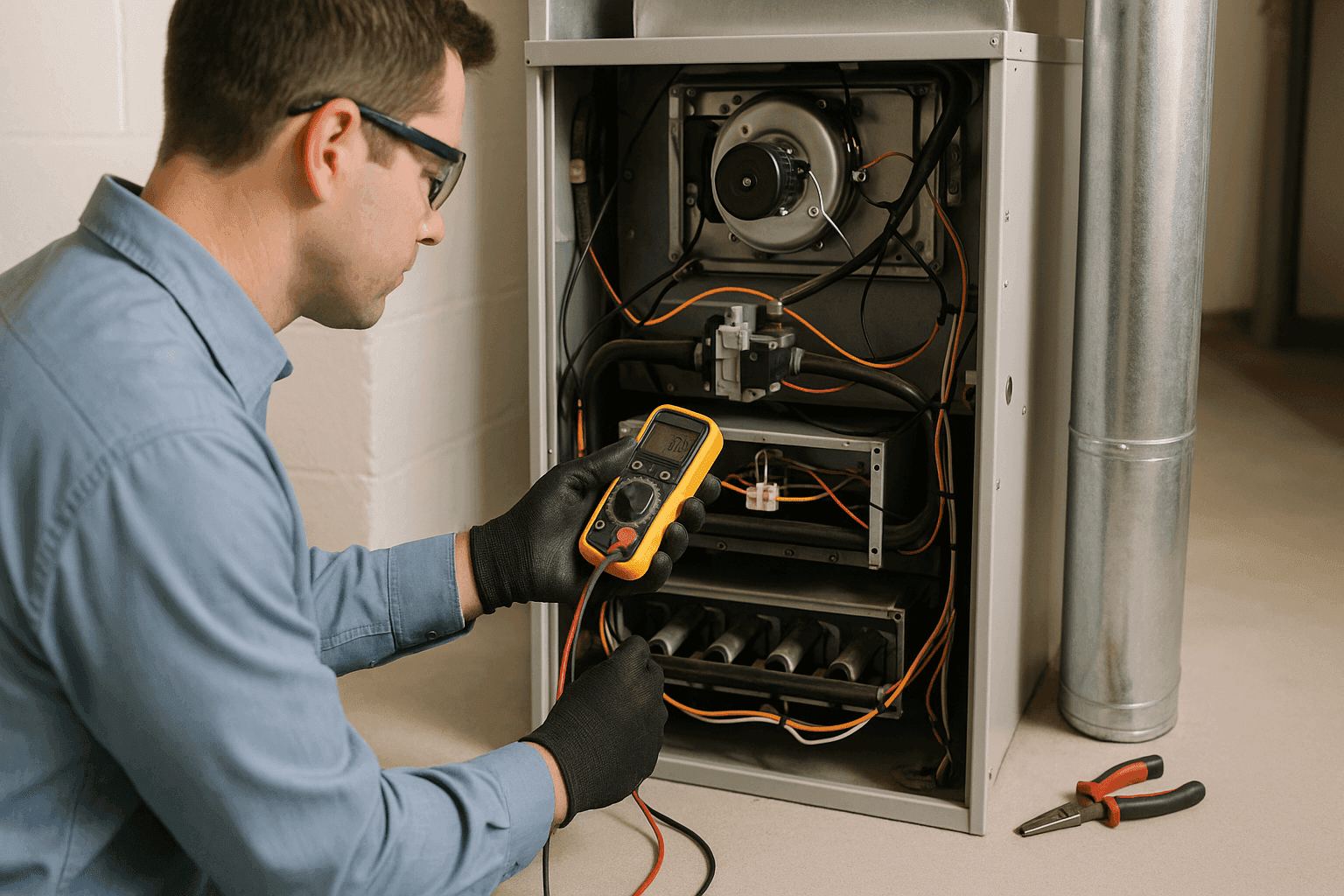
When a furnace starts making strange noises or refuses to heat your home, the discomfort can set in fast. Nobody wants to face a freezing cold night or the stress of a furnace breakdown—especially when temperatures drop well below freezing. At Josh's Heating & Cooling, we know how urgent reliable heat can be. Our licensed technicians answer calls day and night, ensuring homes and businesses stay safe and warm.
Whether it’s your first furnace hiccup or you’re a seasoned homeowner, knowing what to look for—and what to expect—can help you act quickly and safely.
Common Furnace Problems
Furnaces work hard behind the scenes, but even the best systems can falter. Over time, parts wear out, dirt piles up, and sensors can lose their edge. Let’s break down the most frequent trouble spots:
- Ignition Issues: Modern furnaces rely on electronic igniters or pilot lights. If these fail, your furnace won’t start.
- Blower Malfunctions: If the blower fan isn’t working, your home stays cold no matter what the thermostat says.
- Dirty Filters: Clogged air filters restrict airflow, making your furnace struggle and air quality plummet.
- Thermostat Problems: Sometimes it’s not the furnace—it’s the control center. Faulty thermostats can give mixed signals.
- Worn Belts and Bearings: Just like a car, moving parts can fray or seize up, causing rattles or total shutdowns.
- Cracked Heat Exchangers: This is serious. Cracks can leak dangerous carbon monoxide (CO) into your living space.
Sometimes, the problem is as simple as a tripped breaker or a dirty sensor. Other times, hidden issues can put your safety at risk. According to the U.S. Consumer Product Safety Commission, heating equipment is a leading cause of carbon monoxide incidents in homes.
Warning Signs to Watch For ⚠️
Most furnaces give hints before breaking down completely. Catching these warning signs early can prevent bigger headaches—and higher bills—later on:
- Strange Noises: Bangs, rattles, or squeals aren’t just annoying. They’re your furnace’s way of crying out for help.
- Uneven Heating: Cold spots or rooms that never seem to warm up signal airflow or ductwork problems.
- Frequent Cycling: If your furnace keeps turning on and off, it may be overheating or have a faulty thermostat.
- Unusual Smells: Burning, musty, or chemical odors should never be ignored. They might point to electrical issues or dirty components.
- Rising Energy Bills: A sudden spike often means your furnace is working harder to deliver the same comfort.
- Yellow Pilot Light: The flame should be blue. Yellow or flickering flames can mean dangerous gas or ventilation issues.
- Visible Rust or Water Leaks: Any sign of corrosion or pooling water near your furnace needs prompt attention.
If you notice any of these, it’s time to take action. In cold climates, waiting too long can risk frozen pipes or unsafe living conditions.
DIY Checks vs. Professional Help
You don’t need a toolbox to spot many furnace problems—but knowing your limits is key. Here’s what you can do safely before calling for emergency HVAC help:
DIY Checks:
- Check Your Thermostat: Make sure it’s set to “heat” and the temperature is correct.
- Replace the Filter: If it’s dirty, swap it out. Most filters should be changed every 1–3 months.
- Inspect Vents and Registers: Make sure they’re open and not blocked by furniture or curtains.
- Confirm Power Supply: Check the furnace switch, circuit breaker, and service panel.
When to Call a Pro:
- If you smell gas or see a yellow pilot light—leave immediately and call your utility.
- You hear loud bangs, grinding, or persistent squealing.
- The furnace won’t turn on, even after checking the basics.
- You suspect electrical or carbon monoxide issues.
- There’s visible water, rust, or burning smells.
Licensed technicians have the training, meters, and experience to diagnose and fix problems safely. According to the National Fire Protection Association (NFPA), improper repairs or DIY wiring are common sources of home heating fires.
The Repair Process 🛠️
A professional furnace repair call is more than a quick fix—it’s a step-by-step process designed to keep you safe and restore comfort:
- Initial Assessment: The technician will ask about your furnace’s behavior and review any recent issues.
- Safety Check: They’ll inspect for gas leaks, electrical hazards, and carbon monoxide risks before starting any work.
- Diagnostic Testing: Using specialized tools, they’ll test each furnace component, from ignition systems to blower motors and thermostats.
- Problem Identification: Once the issue is pinpointed, the technician will explain what’s wrong and discuss repair options.
- Repair & Replacement: Worn or damaged parts are replaced using manufacturer-approved components. The technician will never take shortcuts on safety.
- System Testing: After repairs, the furnace is restarted and tested for proper operation, airflow, and efficiency.
- Final Walkthrough: You’ll receive clear explanations of what was fixed, plus tips to keep your system running smoothly.
Every step follows guidelines from organizations like the Air Conditioning Contractors of America (ACCA) and local building codes.
Prevention & Maintenance
A well-maintained furnace is less likely to leave you shivering on a winter night. Here’s how to keep things running smoothly:
- Change Filters Regularly: Don’t let dust choke your system. Mark your calendar or set reminders.
- Schedule Annual Inspections: Just like a car, your furnace needs a yearly tune-up. Technicians can catch minor issues before they become emergencies.
- Keep Vents Clear: Blocked vents force your furnace to work harder, wear out faster, and heat less efficiently.
- Test Your Carbon Monoxide Alarm: Every home with a furnace should have a working CO detector—check batteries monthly.
- Watch for Warning Signs: Don’t ignore those odd noises, smells, or cold spots. Early action saves money and stress.
The U.S. Department of Energy recommends regular maintenance as the best way to maximize HVAC efficiency and safety.
Costs & Time Factors
Furnace repair costs depend on the problem, the type of furnace, and how quickly you need help. While we can’t quote prices here, consider these general factors:
- Minor Repairs: Replacing filters, fuses, or sensors can take less than an hour.
- Complex Repairs: Fixing ignition systems, blower motors, or heat exchangers can take several hours or require special parts.
- Emergency Service: After-hours repairs may cost more, but sometimes waiting isn’t an option—especially in extreme cold.
A licensed technician will always explain the needed work and provide options before starting repairs.
When It’s an Emergency
Not every furnace issue is an emergency. But in some cases, waiting is not safe:
- No Heat During Freezing Weather: Prolonged cold can cause pipes to burst and unsafe living conditions.
- Gas Leaks or Strong Odors: Evacuate immediately and call your gas utility.
- Electrical Burning Smells: Turn off your furnace at the breaker and call for emergency HVAC help.
- Carbon Monoxide Alarm Sounds: Leave your home and seek fresh air. Call 911 and your HVAC technician.
Josh's Heating & Cooling offers 24/7 emergency HVAC service because cold nights don’t keep business hours.
FAQ
How often should I have my furnace serviced?
Most manufacturers and the EPA recommend annual inspections to keep your system safe and efficient.
Can I repair my furnace myself?
Basic checks—like changing filters or checking thermostats—are safe for most people. Anything involving gas, electricity, or internal components should always be handled by licensed professionals.
What should I do if my furnace stops working suddenly?
Check your thermostat, power supply, and filter. If those aren’t the cause, call an HVAC technician right away.
Is it normal for my furnace to make noise?
Some humming is normal, but loud bangs, rattles, or screeches can signal trouble.
Local & Seasonal Considerations ❄️
In colder regions, a broken furnace can quickly turn into a dangerous situation—especially for homes with young children, elderly residents, or people with health concerns. Commercial properties risk business interruptions and frozen plumbing.
Even in milder climates, sudden cold spells can catch systems off guard. Make sure your furnace is ready before the first frost hits. Schedule maintenance in the fall and keep emergency numbers handy.
Stay warm. Stay safe. If your furnace is acting up—or you’re facing a heating emergency—help is just a phone call away.
Call Josh's Heating & Cooling now — or reach us anytime at 877-611-0277 .