How to Extend the Lifespan of Your HVAC System: Essential Maintenance Tips
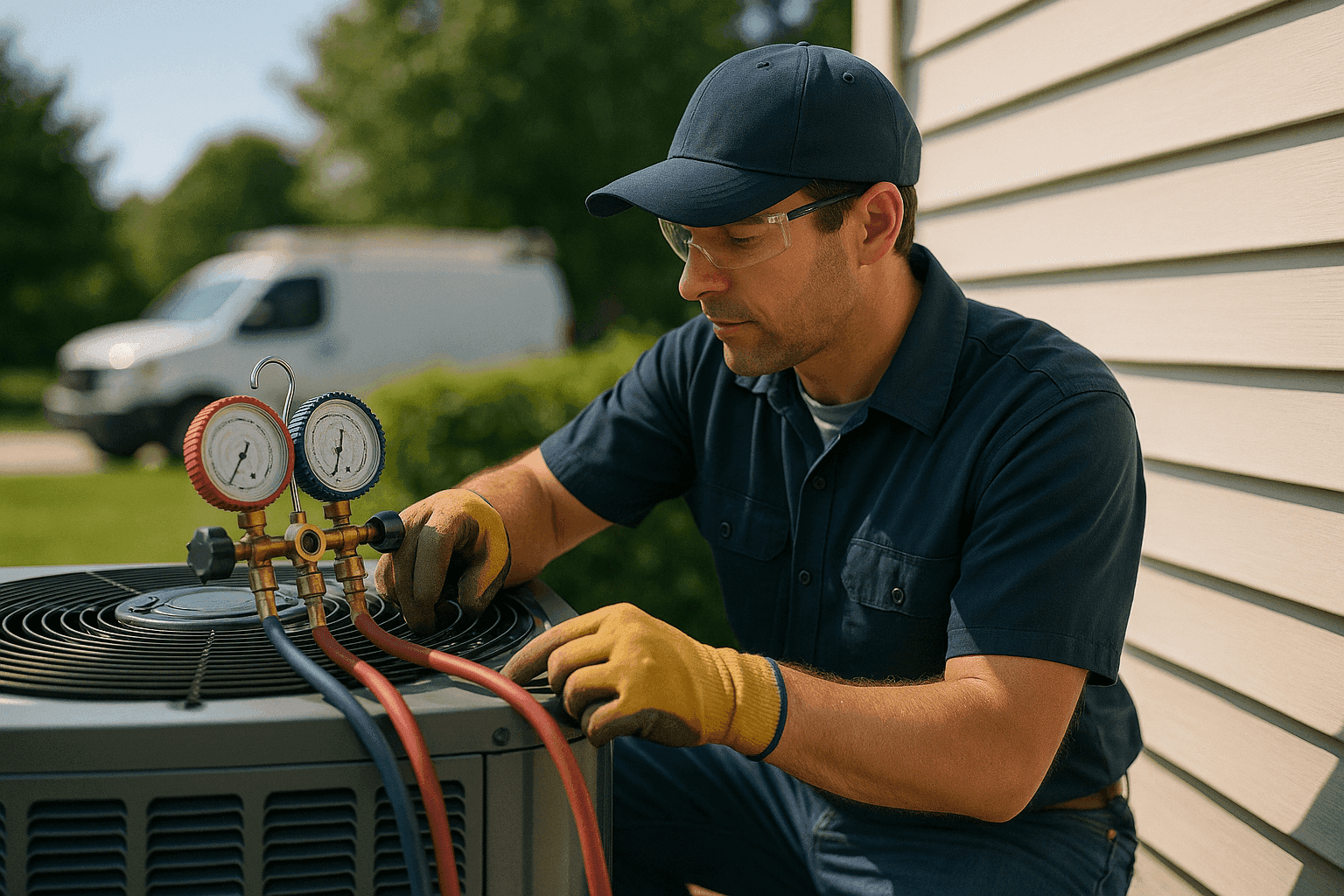
Is your HVAC system working overtime? Maybe it’s groaning during the hottest days or wheezing in the dead of winter. For most homeowners and small business owners, the HVAC is the heart and lungs of indoor comfort. When it fails, everything grinds to a halt—sometimes in the middle of the night.
At Josh's Heating & Cooling, we know how stressful emergency hvac breakdowns can be. But with the right care, you can keep your system running strong for years. Let’s dig into how a little maintenance now can save you headaches—and money—down the road.
Why HVAC Maintenance Matters 🛠️
Think of your HVAC system like a car. Skip the oil changes and tune-ups, and you’ll end up stranded on the side of the road. Regular maintenance keeps your heating and cooling humming along, prevents emergency repairs, and helps you avoid those “why is it so hot in here?” moments.
Benefits of regular HVAC maintenance:
- Efficiency: Clean, well-tuned equipment uses less energy. That means lower bills.
- Durability: Small problems get caught before they become big, expensive breakdowns.
- Air Quality: Fresh filters and clean ducts mean you’re breathing easier.
- Safety: Issues like gas leaks or faulty wiring can be dangerous if ignored.
- Comfort: Consistent temperatures, no weird noises, and reliable performance.
According to the U.S. Department of Energy, proper HVAC maintenance can reduce your energy use by up to 15%. That’s money back in your pocket—and less stress when the seasons change.
Essential Maintenance Tasks
You don’t need a toolbox the size of a truck to keep your HVAC in shape. Here are the core tasks that make the biggest difference:
- Replace Air Filters: Every 1–3 months. Dirty filters choke airflow, making your system work harder.
- Clean Coils: Dust and grime on coils reduce efficiency and cooling power.
- Check Refrigerant Levels: Low refrigerant means poor cooling and can damage the compressor.
- Calibrate Thermostats: An off-kilter thermostat can send your system on a wild goose chase.
- Inspect Ductwork: Leaks and blockages waste energy and spread dust.
- Clear Outdoor Units: Remove leaves, grass, and debris from around AC and heat pump units.
Seasonal Maintenance Checklists
Spring
- Change air filters.
- Clean evaporator and condenser coils.
- Check refrigerant lines for leaks or damage.
- Test the thermostat.
- Inspect and clear drainage lines.
Summer
- Inspect insulation on refrigerant lines.
- Make sure outdoor units are free from obstructions.
- Listen for strange noises or vibrations.
- Monitor cooling performance.
Fall
- Replace or clean air filters.
- Inspect and test the furnace.
- Clear flue pipes and vents.
- Check for carbon monoxide leaks.
- Program thermostat for cooler weather.
Winter
- Check for ice buildup on heat pumps.
- Inspect and seal ductwork.
- Replace humidifier pads if installed.
- Monitor system for short cycling (turning on and off rapidly).
Signs Your HVAC Needs Professional Attention
Sometimes, even with the best care, your system needs a pro. Watch for these warning signs:
- Unusual noises: Banging, screeching, or rattling aren’t normal.
- Weak airflow: Rooms not heating or cooling evenly.
- Bad odors: Musty or burning smells could signal mold or electrical problems.
- Frequent cycling: System turns on and off too often.
- Sudden spikes in energy bills: Efficiency has dropped.
- Water leaks: Puddles around your unit can mean trouble.
If you notice any of these, don’t wait. A small issue can quickly turn into an emergency hvac call.
DIY vs. Professional Maintenance
There’s a lot you can do yourself, but some tasks should always be left to certified technicians.
DIY-friendly tasks:
- Replacing filters.
- Clearing debris from outdoor units.
- Checking thermostat batteries.
- Dusting vents and registers.
Leave it to the pros:
- Opening up the unit to clean coils or blower parts.
- Handling refrigerant (it’s regulated for safety).
- Electrical work or gas connections.
- Duct cleaning and sealing.
- Annual tune-ups and safety checks.
Technicians at Josh’s Heating & Cooling follow standards set by organizations like ASHRAE and the EPA. That means your system is serviced safely and efficiently.
Seasonal Maintenance Checklists
Staying ahead of the seasons keeps your system ready for anything. Here’s what to remember:
Spring
- Change filters.
- Inspect coils.
- Test cooling mode.
- Check for leaks.
Summer
- Keep outdoor units clear.
- Listen for odd noises.
- Monitor cooling.
Fall
- Inspect furnace.
- Clean vents.
- Check carbon monoxide detectors.
Winter
- Watch for ice.
- Seal ducts.
- Replace humidifier pads.
Routine checks make a world of difference—catching little problems before they become big ones.
DIY vs. Professional Maintenance
You can swap filters and clear leaves, but some jobs need a pro’s touch. If you’re unsure, play it safe. Mishandling refrigerant or wiring can be risky. Our certified technicians handle these tasks every day, using industry-recommended tools and safety guidelines.
What the Pros Do on Arrival
When you call Josh’s Heating & Cooling for emergency hvac service or a tune-up, here’s what you can expect:
- Full system inspection: We check electrical, mechanical, and safety controls.
- Clean and lubricate moving parts.
- Test for gas leaks, carbon monoxide, and refrigerant levels.
- Calibrate your thermostat.
- Inspect ductwork and airflow.
- Provide a clear report, so you know what’s working—and what needs attention.
Prevention & Maintenance
An ounce of prevention is worth a pound of cure. Here’s how to keep your system running longer:
- Schedule annual tune-ups: Both heating and cooling systems need a yearly check.
- Change filters regularly: Set a reminder on your phone.
- Keep vents open and unblocked: Closed vents strain the system.
- Watch for warning signs: Strange sounds or smells aren’t normal.
- Upgrade thermostats: Smart thermostats can help reduce wear and save energy.
- Consider indoor air quality add-ons: Air scrubbers, dehumidifiers, and regular duct cleaning can protect your system and your health.
Costs & Time Factors
Maintenance is an investment, not an expense. Most tune-ups take 1–2 hours. Simple DIY tasks like changing filters take minutes. Neglect, on the other hand, can lead to costly emergency hvac repairs—sometimes running into thousands if a major part fails.
Regular care can add years to your system’s life. According to ENERGY STAR, well-maintained systems can last 15–20 years or more, while neglected ones may fail in half that time.
When It’s an Emergency
Sometimes, breakdowns happen at the worst possible moment—a heatwave, a deep freeze, or right before guests arrive. If your system:
- Stops working completely.
- Blows only hot or cold air when it shouldn’t.
- Emits burning or electrical smells.
- Trips breakers or fuses repeatedly.
Don’t wait. Call for emergency hvac service immediately. Safety comes first.
FAQ
How often should I replace my HVAC filter?
Every 1–3 months, depending on usage, pets, and allergies.
What happens if I skip maintenance?
You’ll likely see higher bills, more repairs, and a shorter system lifespan. Neglect can also void warranties.
Can I clean my own ducts?
Light dusting of vents is fine, but deep duct cleaning is best left to professionals. It requires specialized equipment and know-how.
Do smart thermostats really help?
Yes! They can optimize your system’s run times, reduce energy use, and help prevent unnecessary wear.
Special Considerations for Your System
Every home and business is unique. If you have special equipment—like whole-house fans, mini-splits, geothermal systems, or air scrubbers—follow the manufacturer’s instructions and schedule regular check-ups. For commercial spaces, ventilation and air balancing are especially important for comfort and safety.
Remember, safety codes and standards exist for a reason. Always follow recommendations from authorities like the EPA, OSHA, and equipment manufacturers.
A little maintenance goes a long way. Don’t wait for a breakdown. Call Josh's Heating & Cooling now — or reach us anytime at 877-611-0277 .