Duct Cleaning: Does Your Home Really Need It?
Does your home’s air feel stale, dusty, or aggravate your allergies? You’re not alone. Many homeowners and businesses wonder if duct cleaning is the answer. At Josh’s Heating & Cooling, we get calls every week asking, “Do I really need my ducts cleaned?”
The truth isn’t always simple. Some homes benefit. Others, not so much. Let’s break down what you need to know—before anyone starts dragging hoses through your living room.
What is Duct Cleaning? 🏠
Imagine your home’s air system as a set of lungs. Over time, dust, pollen, and even pet hair can settle inside the “airways”—your ducts. Duct cleaning is the process of removing that buildup from the supply, intake, and return ducts throughout your house or business.
Professionals (like our NADCA-certified crews) use specialized vacuums, brushes, and blowers. The goal? To flush out accumulated debris and improve air movement—without turning your house into a dust cloud.
- What’s included:
- Supply and return ducts
- Registers and grills
- HVAC unit parts (sometimes)
- Air filters (always checked)
- What’s NOT included:
- Major repairs
- Mold remediation (unless requested/identified)
- Full HVAC Installation near you (unless needed)
The Environmental Protection Agency (EPA) points out: Duct cleaning hasn’t been proven to prevent health problems, but it can help if there’s visible mold, pests, or excessive debris.
Signs You Need Duct Cleaning
Not every home needs the service every year. Here’s when you should pay attention:
- Post-renovation: Drywall dust and construction debris love to hide in ducts.
- Visible dust puffs: When you turn on the heat or AC, do clouds emerge from vents?
- Musty odors: Persistent smells, especially after returning from vacation.
- Increased allergies: More sneezing, coughing, or itchy eyes indoors.
- Rodent or insect evidence: Droppings or nests in or around ductwork.
- Mold growth: Any visible mold inside ducts or on HVAC parts.
If you’re not sure, ask for an inspection. A reputable emergency hvac provider like Josh’s Heating & Cooling will show you photos or video—no pressure tactics.
Potential Risks & Scams
Not all duct cleaning offers are created equal. Some companies use scare tactics, promising miracle results for suspiciously low prices. Here’s what to watch for:
- Too-good-to-be-true deals: $99 cleanings rarely cover a full home and may upsell you on costly extras.
- Unsubstantiated claims: Be skeptical if someone guarantees health cures or “removes all dust.”
- Negative-pressure tricks: Some use weak vacuums that simply stir up dust, not remove it.
- Damage risks: Poorly trained techs can dent or puncture ducts, causing leaks and airflow problems.
- Unnecessary chemical sprays: EPA and industry guidelines recommend against most in-duct sanitizers unless you have mold.
Always check for NADCA (National Air Duct Cleaners Association) certification. Ask for a clear explanation of what’s included. And don’t be afraid to request before-and-after photos.
Professional Process
So, what actually happens during a professional duct cleaning?
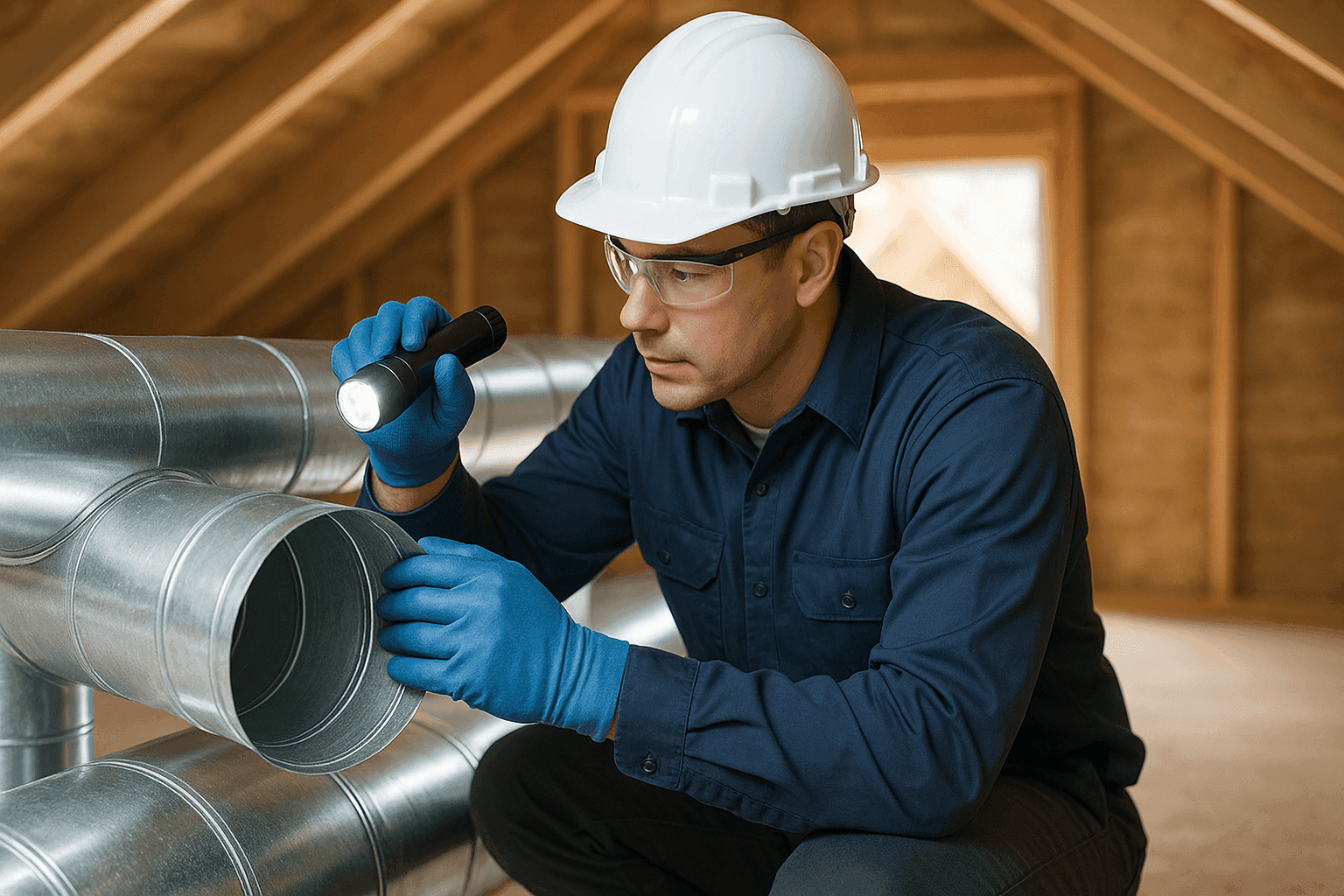
- Inspection: We start with a full walkthrough, using cameras and flashlights to check for debris, mold, or damage.
- System protection: Vents, floors, and furnishings are covered to keep dust contained.
- Negative pressure: Industrial vacuums are attached to the main trunk lines, creating suction.
- Agitation: Brushes and air whips dislodge debris from duct walls.
- Debris removal: Everything gets sucked out to a sealed containment unit outside.
- Component cleaning: Registers, grills, and sometimes the blower motor or coils are cleaned (if accessible).
- Final check: We review the system with you—often with photos.
A typical cleaning takes 2–4 hours for a single-family home. Larger commercial spaces require more time and equipment.
DIY vs. Pro Cleaning 🧰
Thinking about tackling duct cleaning yourself? Here’s what you should know.
DIY Cleaning
- Pros: Saves money. You can dust vents and change filters yourself.
- Cons: Home vacuums lack the suction to clean deep inside ducts. You risk pushing dust further in, not out. Hard to spot hidden mold or pests without special tools.
- Best for: Light maintenance between professional visits.
Professional Cleaning
- Pros: Industrial equipment, trained eyes, and strict safety standards (NADCA). Can spot problems before they become expensive emergencies.
- Cons: Cost. Requires scheduling and trusting a company in your home or business.
Tip: For anything beyond a visible vent cleaning, call a professional. Especially if you’ve had renovations, pests, or allergy flare-ups.
Local & Seasonal Considerations
Certain times of year and local conditions make duct cleaning more important:
- Pollen season: Spring and early summer in many regions bring heavy pollen that can settle in ducts.
- Post-renovation: Drywall, sawdust, and insulation debris often find their way into your system.
- Before winter or after summer: Prepares your system for heavy heating or cooling loads.
- Humidity: High moisture can promote mold growth in ducts—keep an eye out during wet seasons.
- Wildfire smoke: If your area was impacted, soot and particulates can linger in your system.
Customer Reviews & Real Results
At Josh’s Heating & Cooling, we’re proud of the difference a good cleaning can make. One local customer, Sarah L., said: “After our remodel, the house was so dusty. Josh’s crew showed us before-and-after photos, and the air felt fresher the next day.”
Another business owner shared: “We run a daycare, so air quality matters. The team was thorough, explained every step, and didn’t push extra services.”
We believe in honest, no-pressure advice—because clean air starts with trust.
When Is Duct Cleaning Worth It?
- If you see dust blowing from vents, hear rattling, or smell musty air—consider it.
- After major renovations, it’s a smart step.
- If you’ve had a pest problem, don’t wait.
- Allergy sufferers often notice improvement after a thorough cleaning.
But if your system is new, filters are changed regularly, and there are no clear symptoms? You may not need it yet. Annual inspections can help you decide.
FAQ
How often should ducts be cleaned?
Most homes need it every 3–5 years, according to NADCA guidelines. More often if you have pets, recent renovations, or allergy issues.
Does duct cleaning improve air quality?
It can, especially if there’s visible debris, dust, or mold. But it’s not a cure-all; regular filter changes and HVAC maintenance matter just as much.
Is duct cleaning safe for my HVAC?
Absolutely—when performed by trained professionals using proper equipment. Amateurs can damage ductwork or stir up more dust.
Can duct cleaning help with odors?
Yes, especially musty or stale smells caused by dust, mold, or pests. If odors persist, further IAQ testing might be needed.
Practical Tips for Cleaner Ducts
- Change filters regularly: Every 1–3 months, or as recommended by your HVAC manufacturer.
- Vacuum vents and registers: Keeps surface dust down between cleanings.
- Schedule annual inspections: Especially if you run your system year-round.
- Seal ducts: Proper insulation and sealing prevent dust and moisture from entering.
- Keep the area around your furnace/AC clear: Reduces dust intake.
When It’s an Emergency
Sudden, severe dust clouds, visible mold, or a rodent infestation in your ducts? That’s a job for emergency hvac service—stat. Delaying can cost you air quality, comfort, and even your health.
Ready for clearer, fresher air? Whether it’s routine maintenance or 24/7 emergency hvac, we’re always here for your home or business.
Call Josh's Heating & Cooling now — or reach us anytime at 877-611-0277 .