AC Repair vs. Replacement: How to Make the Right Call
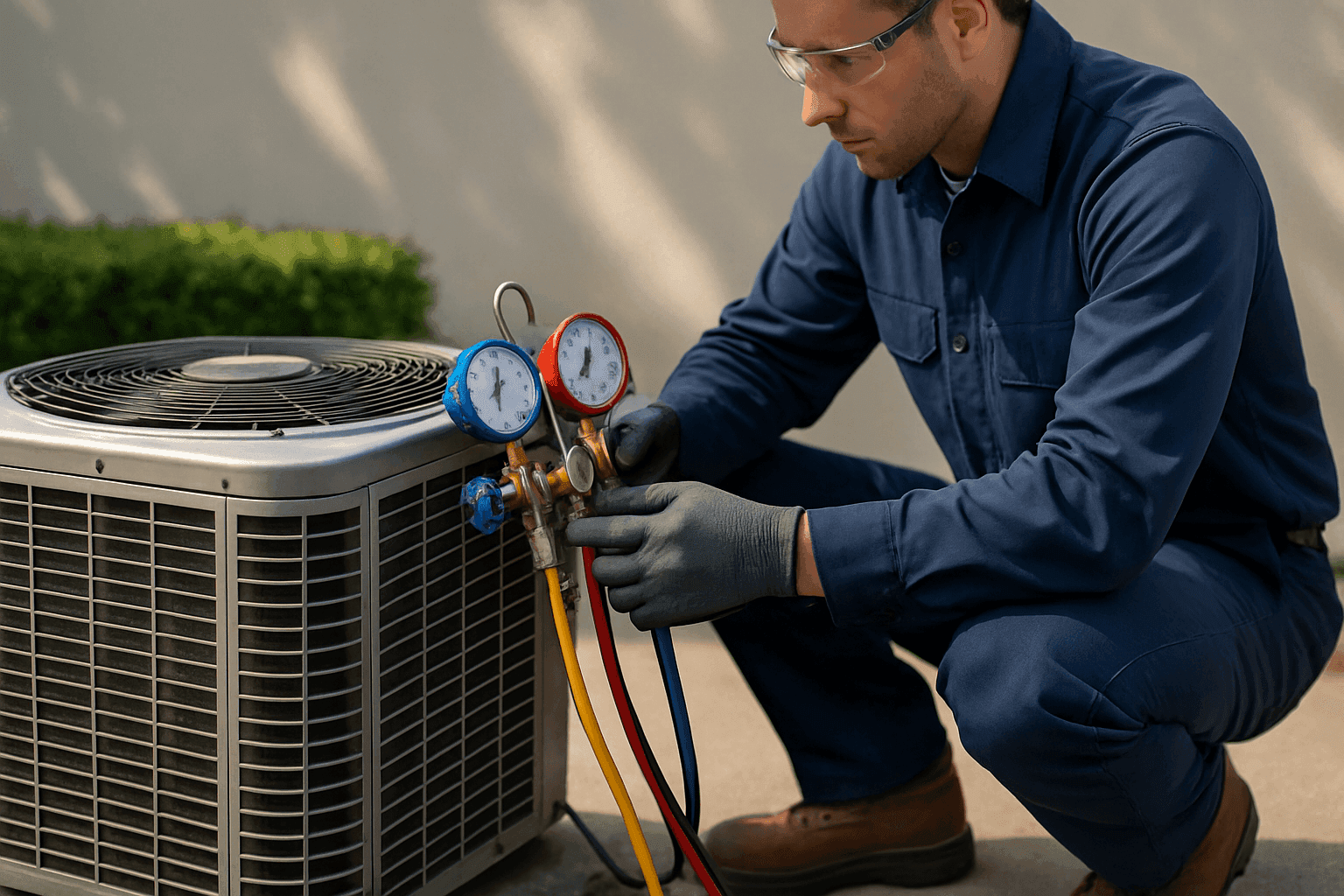
When your AC sputters to a halt on a day that feels like the sun dropped into your backyard, panic is a natural reaction. The stakes go beyond comfort—especially when the temperature spikes and safety becomes a concern. At Josh's Heating & Cooling, we know the pressure of making the right call, fast.
Should you repair what you have? Or is it finally time to let your old AC retire and invest in a replacement? Let’s break down the decision, step by step, so you can feel confident—no matter what the heat throws your way.
Common AC Problems 😓
Before you decide on repair or replacement, it helps to know what you’re up against. These are issues our emergency hvac teams see all the time:
- Warm air blowing, not cold
- Strange noises: Banging, screeching, or clicking
- Short cycling: AC turns on and off rapidly
- Unusually high energy bills
- Poor airflow or hot/cold spots
- Water leaks or ice on coils
- Unit won’t turn on at all
Some of these issues are minor. Others hint at bigger trouble beneath the surface. Think of your AC like a car—sometimes it just needs a tune-up. Other times, you’re looking at a serious engine problem.
When Repair Makes Sense 🔧
There are times when a repair is the most practical and cost-effective choice. Here’s when to say yes to repair:
- Your AC is under 10 years old. Most modern systems can last 12–15 years with proper maintenance, according to ENERGY STAR®.
- The problem is minor. Things like a worn belt, clogged filter, or blown capacitor are usually quick, affordable fixes.
- No major past issues. If your system hasn’t racked up a history of breakdowns, one repair can buy you more years of comfort.
- Repair cost is less than 30% of replacement. As a rule of thumb, if the fix is cheap compared to a new system, repair makes sense.
- Warranty coverage. Some components may still be under manufacturer warranty (always check).
Real-life Example:
A local business owner called us during a spring heat wave. Their 5-year-old AC was tripping a breaker. Our techs found a faulty capacitor—a $100 repair. The system was back to normal in an hour, and the owner avoided a big bill.
When to Replace
Sometimes, the writing is on the wall. Here’s when replacement is usually the better call:
- Your AC is 12+ years old. Even the best-maintained units start to lose efficiency and reliability with age (ASHRAE recommends considering replacement at this stage).
- Frequent breakdowns. If you’re on a first-name basis with your repair tech, it’s time to look at replacement.
- Major repairs needed. Compressor failure, refrigerant leaks, or a cracked coil often cost more to fix than the unit is worth.
- High energy bills. Older systems guzzle more energy. Modern units can save you up to 40% on cooling costs (per U.S. Department of Energy).
- Outdated refrigerant. If your AC uses R-22 (phased out for environmental reasons), repairs are expensive and parts are scarce.
Real-life Example:
A family’s 16-year-old AC broke down in July. The cost to fix a leaking coil was nearly half the price of a new, high-efficiency system. After running the numbers, they chose a replacement, slashing their energy bills and getting reliable cooling for years to come.
Cost Comparison 💸
Let’s talk money. Repairs are typically less expensive up front—but not always the best value long-term.
Repair Costs
- Minor fixes (filters, capacitors, thermostats): $100–$500
- Major repairs (compressors, coils): $1,000–$2,500+
Replacement Costs
- New AC installation: $4,500–$12,000+ (varies by size, efficiency, and features)
- Energy savings with a new system can offset upfront costs over time.
Key question:
If your next repair could be the first of many, will you end up spending more than you would on a new system? The “$5,000 Rule” helps: Multiply the age of your unit by the repair cost. If it’s over $5,000, replacement often makes more sense.
How to Choose
Still unsure? Here’s a step-by-step way to make the call:
- Check the age of your system. Older than 12? Lean toward replacement.
- Assess repair costs. Is it a minor fix or a major overhaul?
- Consider past history. One-off repair, or mounting problems?
- Factor in efficiency. Are bills rising even with the same use?
- Think about comfort. Is your system keeping up with the heat? Are some rooms still too warm?
- Review manufacturer guidelines. Always follow safety and replacement recommendations.
- Consult a licensed HVAC pro. A qualified technician (like those at Josh’s Heating & Cooling) can inspect your system and give honest, clear advice.
Local Urgency: Heat Waves Demand Fast Decisions
When temperatures soar, waiting isn’t an option. Prolonged heat can threaten health and safety—especially for children, seniors, or anyone with respiratory concerns. If your AC stops during a heat wave, call for emergency hvac help right away. We prioritize urgent calls and can help you decide in real time whether to repair or replace.
Practical Tips for Every Property Owner
- Keep records. Track repairs, maintenance, and energy bills so you can spot patterns.
- Change filters often. Dirty filters cause many common AC issues.
- Schedule regular maintenance. Annual checkups extend system life and catch problems early.
- Know your system’s age and refrigerant type. This info speeds up decision-making if you ever face a breakdown.
Manufacturer Recommendations & Safety Guidelines
Reputable manufacturers recommend annual maintenance and prompt attention to any performance drop. The International Residential Code (IRC) and local safety guidelines require all work to be performed by licensed professionals. Never attempt electrical or refrigerant repairs on your own.
Real-World Case Studies
- Commercial: A restaurant’s rooftop unit quit on a holiday weekend. The system was 14 years old, and the compressor had failed. Repair would have cost over $3,000, with no guarantee other parts wouldn’t fail soon. We replaced the unit with a new energy-efficient model. Result: lower energy bills, better comfort, and peace of mind during the next heat wave.
- Residential: A homeowner’s AC wouldn’t cool past 78°F. After diagnosing a bad blower motor, we found the unit still under warranty. Repair was fast and affordable. Their system is now running strong.
AC Repair vs. Replacement: FAQ
How long should a central AC unit last?
Most last 12–15 years with regular maintenance. Well-maintained systems sometimes reach 20, but efficiency drops over time.
Is it safe to run my AC if it’s making noise?
Unusual noises often signal a problem. Shut off the unit and call a professional to avoid further damage or safety risks.
What’s the fastest way to get emergency hvac help?
Call a licensed company offering 24 hour emergency service. Josh’s Heating & Cooling responds quickly—especially during extreme weather.
Are newer AC systems really that much more efficient?
Yes. Modern units can cut cooling costs by up to 40%, according to the U.S. Department of Energy. Look for ENERGY STAR® ratings.
Seasonal Considerations
Summer heat waves and unexpected spring warm-ups can push your AC to the limit. Always test your system before the season starts. If you’re considering replacement, schedule it before peak demand to avoid delays and get better installation availability. For commercial properties, plan upgrades during slow periods to minimize business disruption.
No matter the season, the decision between repair and replacement shouldn’t be a guess. Our licensed technicians can evaluate your system, explain your options, and help you make the right choice for your property and budget.
Call Josh's Heating & Cooling now — or reach us anytime at 877-611-0277 .